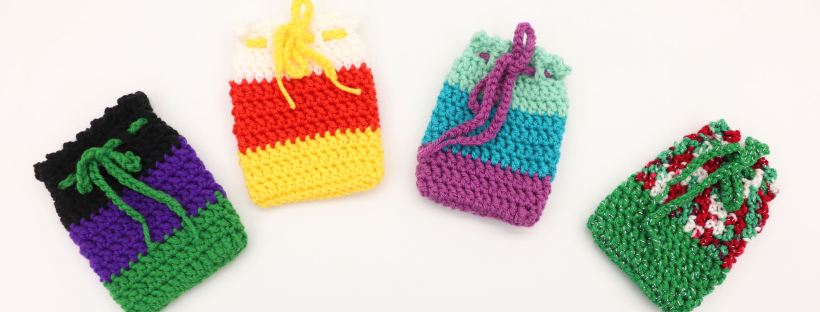
Crochet Drawstring Pouch

This is a quick little project just for fun 🙂

Lately, I have been looking for quick, easy, beginner crochet patterns and after a bit of searching, I decided to make a few myself. This was a lot of fun. It’s a good introduction to changing colors.

You do need to know how to do the following:

  • Chain
  • Single Crochet
  • Double Crochet
  • Slip Stitch

The pouch is constructed mostly of double crochet and can easily be altered by changing colors.

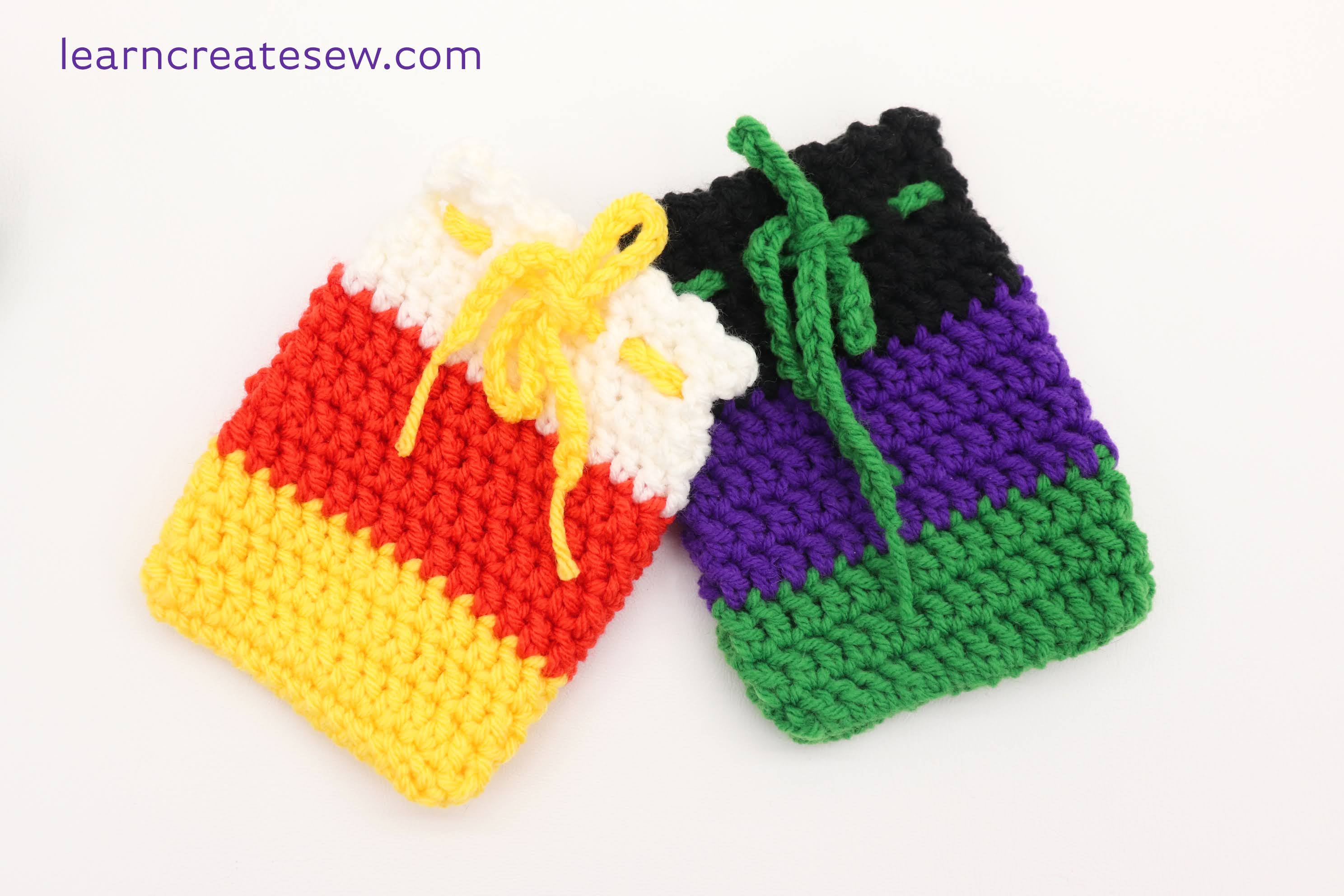
It would be great for gifts, holiday treats, and surprises for Halloween, Christmas, and Easter. I made these for Halloween.
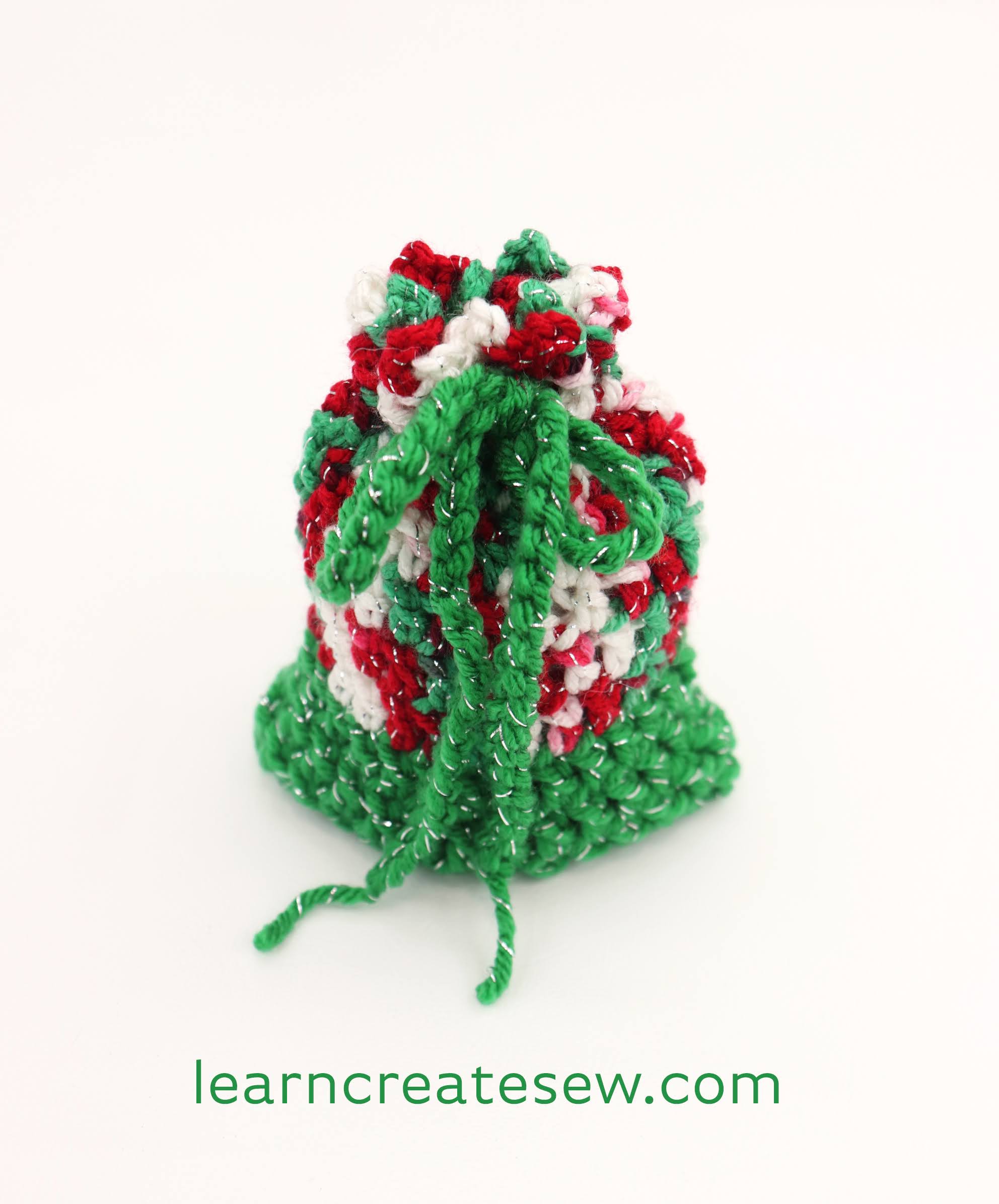
Then, I couldn’t resist making more…and of course with Christmas around the corner, I couldn’t pass up the chance to make one with red and green.

Tutorial (Right-Handed):

Tutorial (Left-Handed):

Pattern:

Refer to the video tutorial as needed

Use a 4.0 – 4.5mm crochet hook and worsted-weight yarn.

Start with the 1st Color. This will be the bottom of the bag. Leave a long tail to start.

Chain 27. Slst into the first chain to make a ring. Make sure the Vs of the chain are on the outside of the ring and the back bumps are on the inside of the ring. Take care to make sure it doesn’t get twisted.

Round 1 – 3: Chain 3 (counts as the first double crochet), 26 dc, slst into the 3rd chain from the beginning of the round (27) (3 rounds)

Change to 2nd color

Round 4 – 7: Chain 3 (counts as the first double crochet), 26 dc, slst into the 3rd chain from the beginning of the round (27) (4 rounds)

Change to 3rd color

Round 8 – 9: Chain 3 (this counts as the first double crochet), 26 dc, slst into the 3rd chain from the beginning of the round (27) (2 rounds)

Round 10: Chain 3 (counts as first dc), Ch 1, skip 1 stitch, (1 dc, chain 1, skip 1 stitch)*repeat 5 times, 3 dc, (ch 1, skip 1 stitch, dc)*repeat 6 times, slip stitch into the 3rd chain from the beginning of the round (27)

Round 11: V stitch around. ch1, (1sc, ch 2, 1 sc) all in the first stitch, [skip 1 stitch,  (1sc, ch 2, 1 sc) all in the next stitch] repeat 12 times, slst into the first sc of the round. FO. 

Whipstitch the bottom of the bag closed using the long starting tail. Weave in any tails.

Drawstring: Chain 80 or to the desired length.

Weave the drawstring through row 10. The 3 dc together is the center front. Insert along one side of the 3 double crochet then weave in and out exiting on the other side of the dc. Note: There are 2 dc together at the center back, pass over or under those together.

Changing Size:

You can increase or decrease the size of the bag slightly by using a different-sized hook.

You can also change the size by adding or subtracting rows and changing the size of the starting chain. To adjust the size of the initial chain, do so in increments of 4. So to increase the size you could go from 27 to 31, 35, 39, 43, etc. To decrease the size you could go from 27 to 23 or 19. This helps ensure that the ties still end up together on the front.

Have fun crocheting!
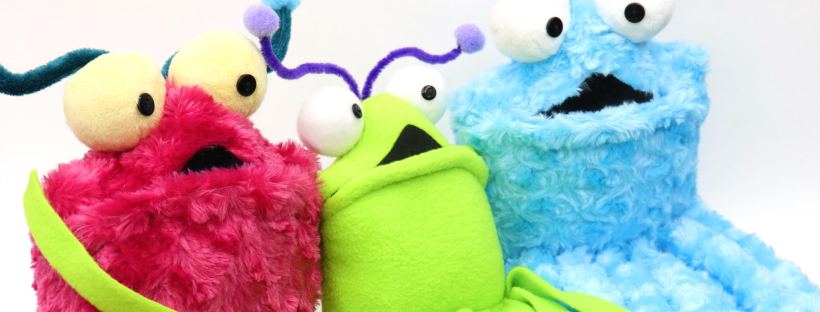
Alien Plush

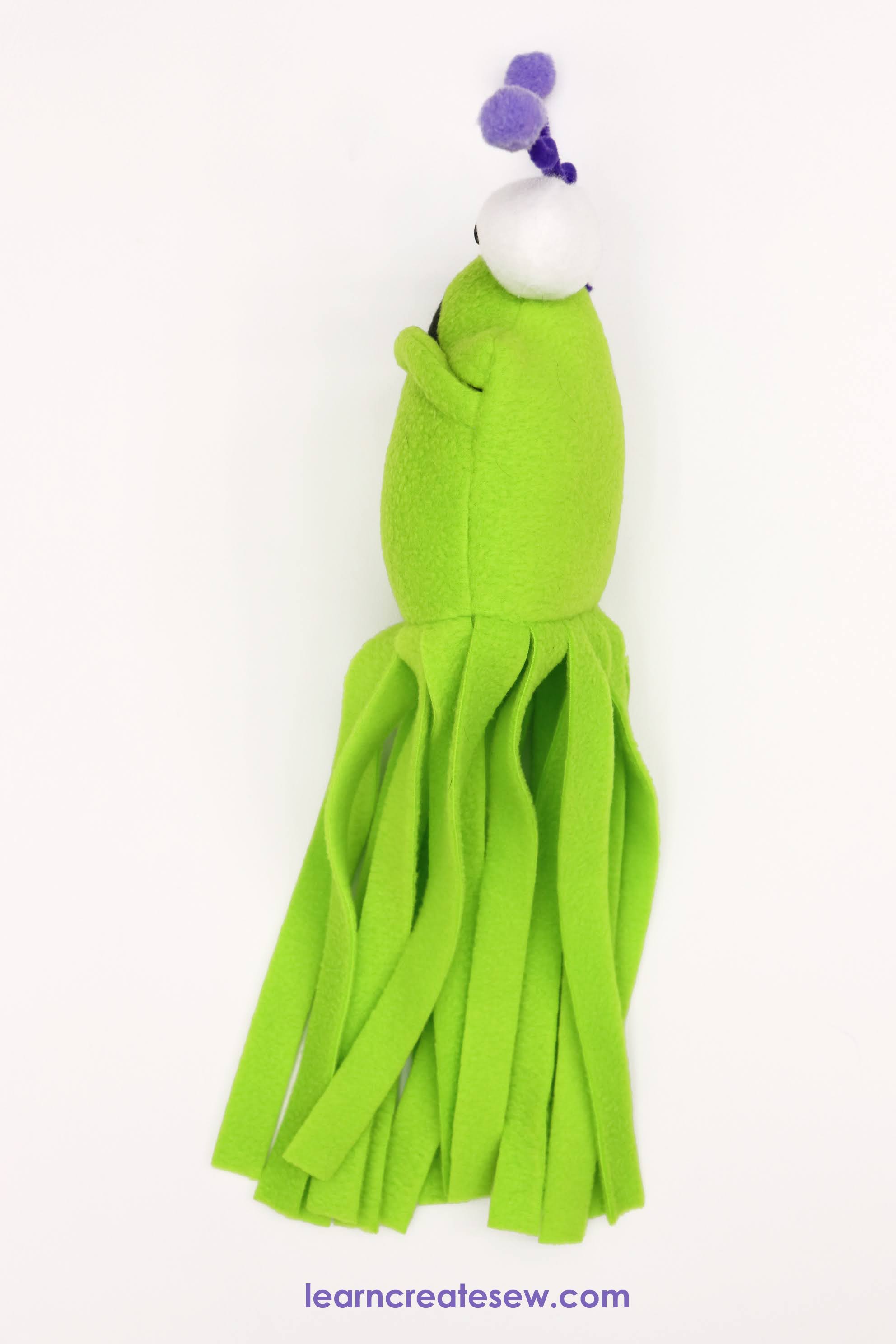
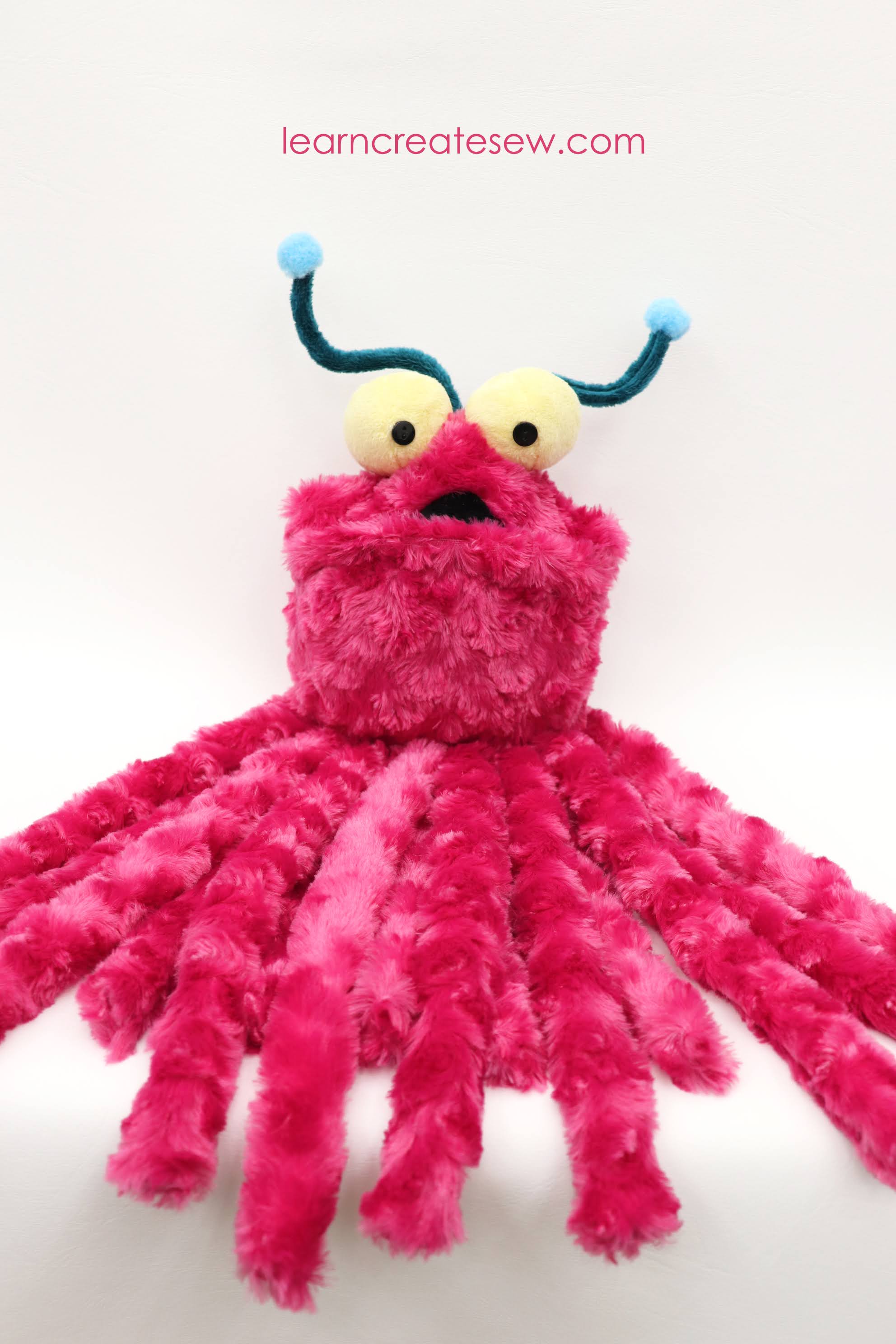
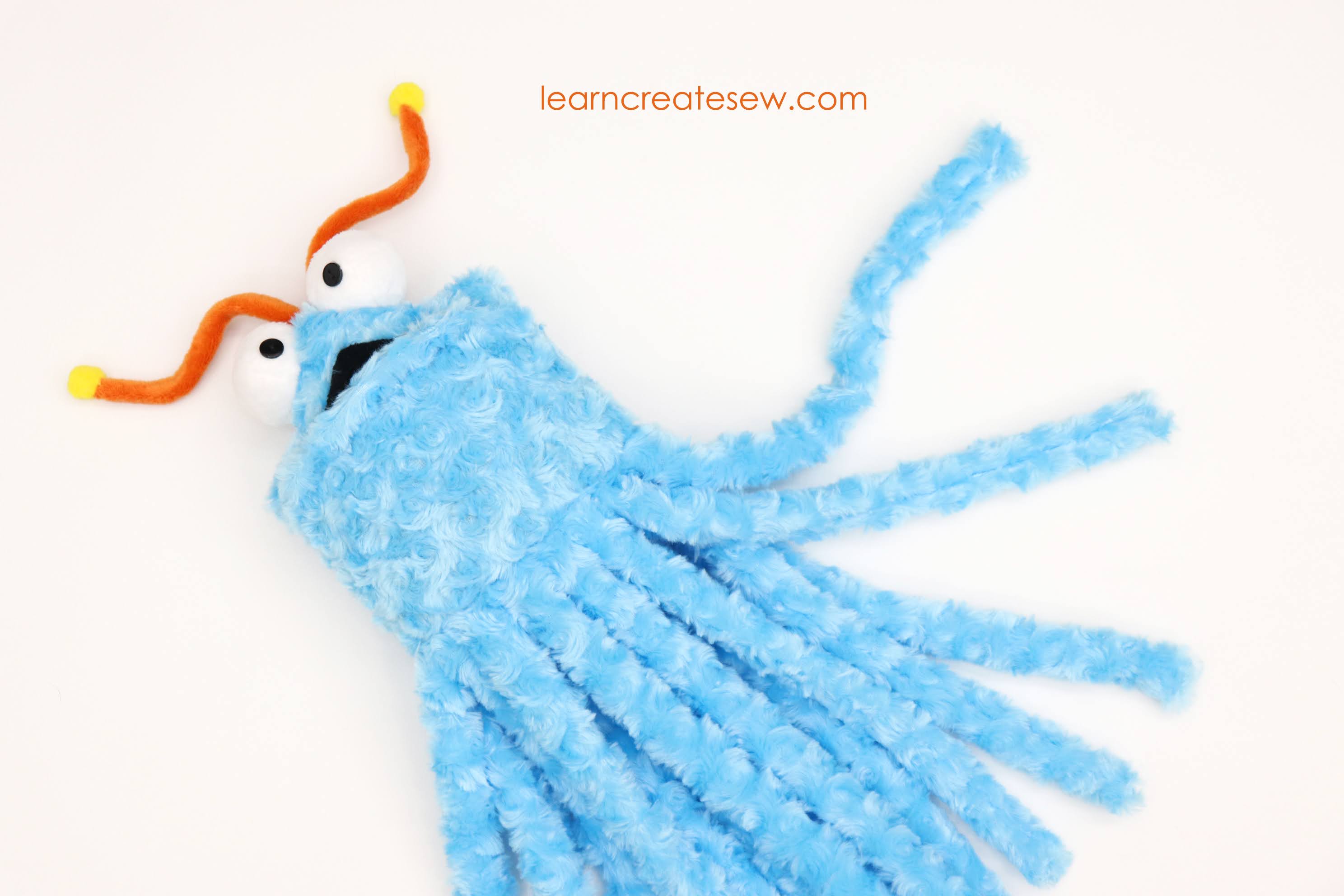
A friend asked me to make an alien plush for her daughter, and I had so much fun with it that I decided to share the project.

I started by making the larger fur aliens and then decided to add the smaller fleece option, which takes less fabric and is easier to construct.

The antenna and large eyes give these plushies a lot of personality.

Regular-Sized Plush

The large aliens are made with a swirl faux fur fabric (also called rose minky) for the body and regular minky for the accents. They measure approximately 20 inches tall and have finished (sewn) legs.

Small Sized Plush

The small aliens are made with fleece for both the body and the accents and have unfinished (unsewn) legs. The small size measures approximately 15 inches tall when finished. This is 75% scale of the regular-sized plush. This plush feels considerably lighter and smaller because of the reduced size and because the unfinished legs eliminate a lot of bulk.

Finished v Unfinished Legs

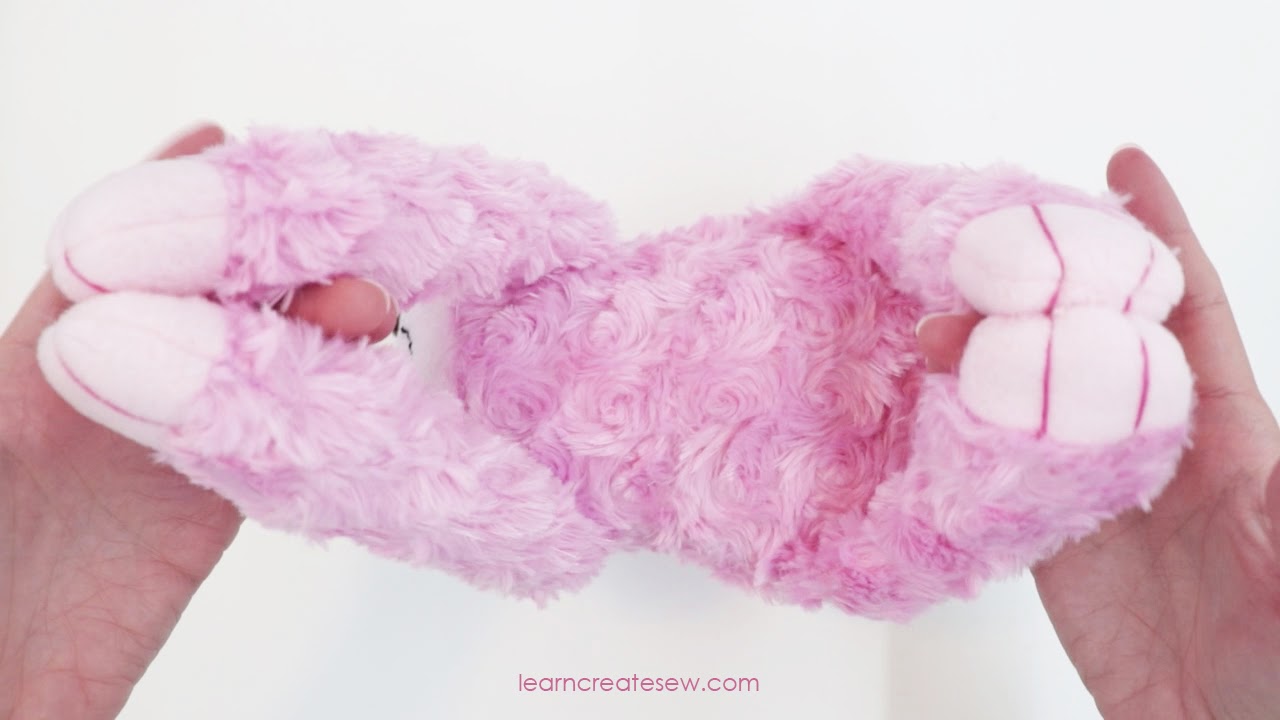
You have two legs finish choices when you make the alien, finished or unfinished. The small fleece aliens have unfinished legs. This means that they are not sewn. The fabric is simply cut into strips, the edges are left raw, and they are sewn directly to the plush. This shortens the construction time by quite a bit and reduces the difficulty of the project.

The regular-sized faux fur aliens have finished legs. The finished legs are sewn individually prior to attaching them to the plush. I chose to finish the legs on the faux fur to minimize shedding and to make them stronger. The finished legs take more time and more fabric.

Accents

The eyes and antenna of the aliens bring out their fun personalities. The eyes are sewn into balls with minky or fleece fabric and then decorated with buttons. There are two options for making the antenna, the first which is shown on the small fleece plush, is simply to bend a pipe cleaner and hot glue pom poms to the ends. The other is to cover the antenna with fabric, which is shown on the larger fur aliens. You make a fabric tube, insert wire or pipe cleaners, and then sew pom poms to the end. The single pipe cleaner option is definitely faster and easier, and I prefer that look best, but the covered option is much stronger and helps the antenna stand out.

Supplies:

Refer to the Cut Layout included with the free pattern for fabric quantities

  • Body Fabric – Minky, Fleece, or Faux Swirl Fur
  • Accent Fabric for Eyes, Mouth, and Antenna – Fleece or Minky
  • 1 or 2 Pipe Cleaners or 9 – 12 inches of wire
  • 2 Pom poms (20 – 25 mm)
  • 2 Buttons (9 or 12 mm)
  • Polyfil
  • Coordinating Thread
  • Hot Glue (optional)
  • 2 Wire Caps (optional)

Pattern:

Instructions:

Happy Sewing!

Underbust Corset

I absolutely love corset making! I have made several over the years, and while they can be a challenge I always consider them a fun endeavor and a great addition to many costumes.
I recently picked up the book Corset Making by Julie Collins Brealey, and I really enjoyed it. I used the techniques described in her book to draft my own underbust corset pattern. It turned out great! I highly recommend her book if you would like to draft a corset pattern specific to your body measurements.

After completing my corset several of my students expressed interest in making a corset of their own. So, I decided it would be fun to share the techniques I used with everyone! This is just a simple costume corset and is not intended for tight lacing. I also used budget-friendly easy-to-find materials. For beginners, I think it is important to see if you enjoy the process of corset-making before investing in some of the more expensive materials and tools. I find corset making very rewarding, but many find the process frustrating and would prefer to purchase a ready-made corset instead.

But for those willing to face the challenge, who love corsets as much as I do, this tutorial is for you!

What are the most important skills in corset making, you ask? Organization and precision!

Unfortunately, in corsets, errors are often amplified. There are SO many seams, that a small discrepancy in cutting or sewing can leave the size of your corset off by an inch or two. As a result, I make precision a priority and cut the pieces out in a single layer. Corsets have tons of pieces. Those pieces often look very similar. It is super easy to get them mixed up. As a result, I like to label all of my pieces with significant markings, piece names, and top edges. This helps me ensure that I don’t get pieces mixed up while I am sewing.

For similar reasons, I like to lay out my pieces in the correct order prior to sewing so they stay in the proper position as I put them together.

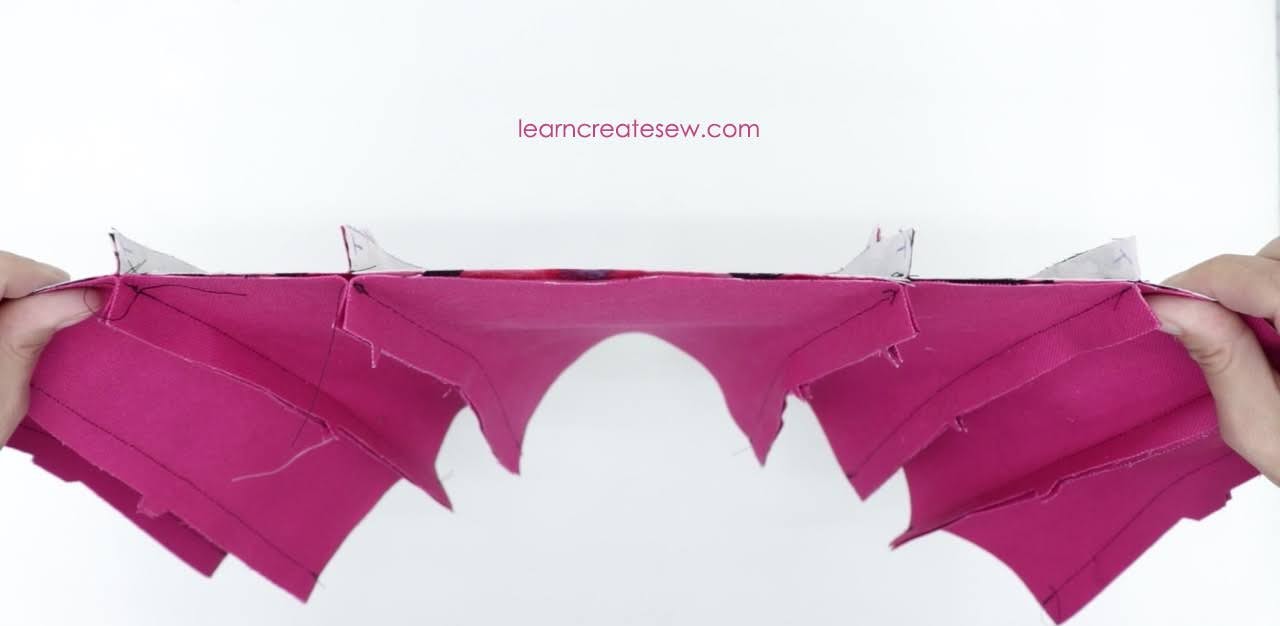
This corset is constructed by assembling a fashion layer and a structure layer and sandwiching them together. Boning casings are made by sewing the two together. No separate casings are needed!

The trick is to ensure that those two layers are the same size so the seams align!

I tried two different pressing methods for my corset. Pressing the seams open and pressing to the side. Watch the detailed instructional video to see what I liked best!

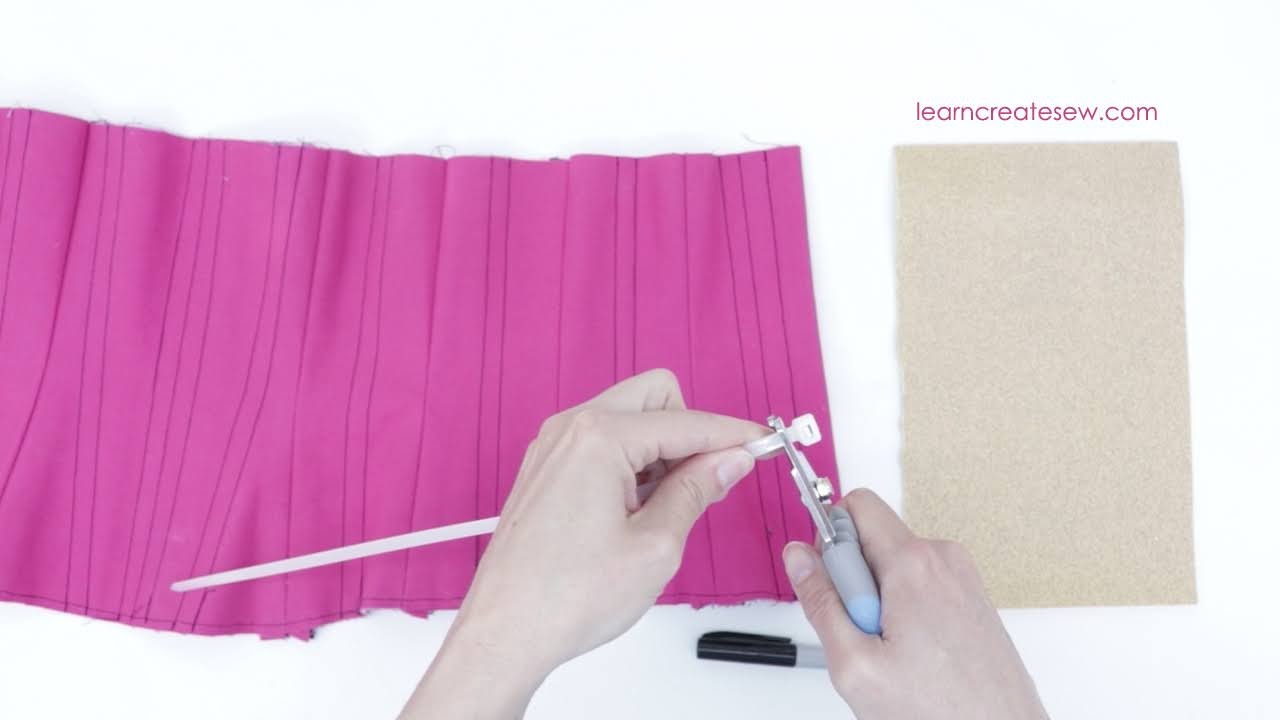
I used zip ties for the bones in my corset! I have always wanted to try them out, and while I found that a lot of them weren’t perfectly straight, they worked great! It was simple to grab a package of zip ties and some pet nail trimmers at Walmart. No waiting for shipping or delays. While they may not be the best option, they worked surprisingly well, and I wouldn’t hesitate to use them again for simple costume corsets.

Rather than eyelets, I used grommets with washers in my corset. These are a bit stronger and last longer. I used a grommet press, but grommet setters that use a hammer are also available.

To finish off the corset I made coordinating bias binding. You can see my skill-building tutorial for how to make your own! I just love it when the binding actually matches your project!

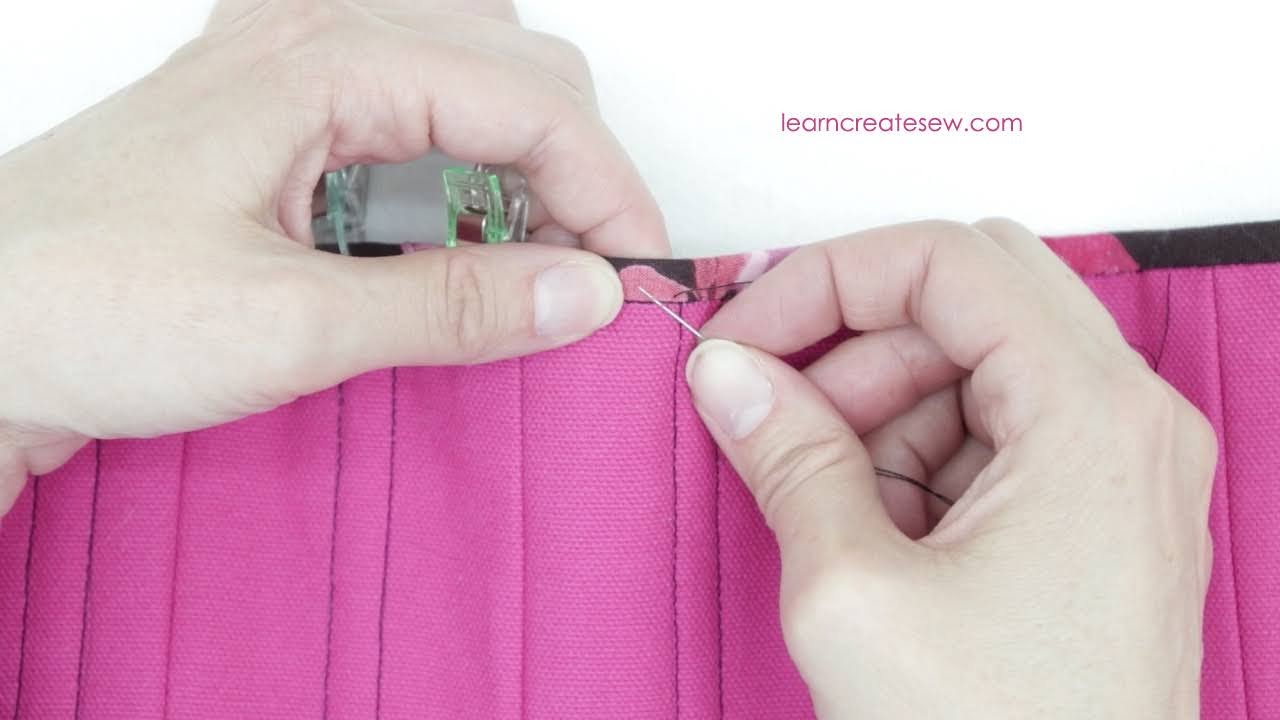
I like to finish the binding by hand to give it a nice finish.

Supplies: (Actual quantities may vary depending on size and style)

Tools:

  • Basic Sewing Supplies
  • Sewing Machine
  • Grommet Setter (and hammer) or Press
  • Awl or Grommet hole punch (I use a small sharp awl and a tapered awl)
  • Rulers
  • fabric marking tools
  • Plastic boning trimmers (I used pet nail trimmers. Sturdy scissors often work for thin plastic boning.)
  • Protective Eyewear
  • Sandpaper (optional)
  • Sewing Clips (optional)

Patterns: PATTERNS INCLUDE NEGATIVE EASE! There is an intentional 2-inch gap in the back. Corset will be smaller than the measurements given. (Measurements indicated are the body measurements, not corset measurements, with the exception of height.)

Measurements are in INCHES

SizeUnderbustWaistHigh HipWaist to HHHeight at Center Front
Original302934.53.59.5
C26.423.929.749
D2825.531.349
MORE SIZES COMING SOON!

Size Original: (UB 30, W29, HH 34.5, W to HH 3.5, CF Height 9.5)

Size C: (UB 26.4, W 23.9, HH 29.7, W to HH 4, CF Height 9)

Size D: (UB 28, W 25.5, HH 31.3, W to HH 4, CF Height 9)

More sizes coming soon!

Quick Overview:

Detailed Instructions:

Happy Sewing!

Sloth Plush Video Tutorial Part 2 and Backpack

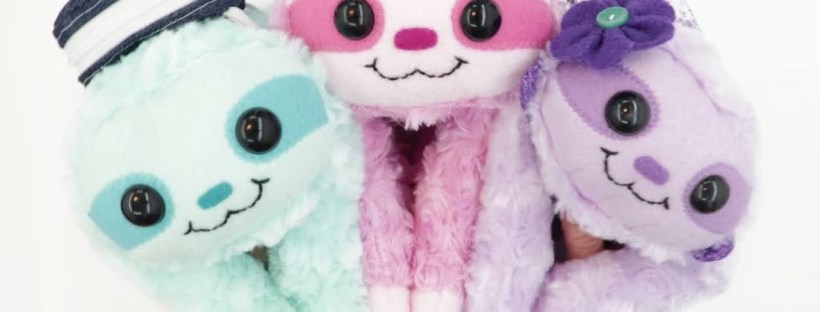
Part 2 of the Sloth video tutorial is finished and ready to share! I hope you are excited to complete this project!
Sloth Supplies:

  • 7 x 48 inches Faux Fur or Fleece for body and legs
  • 4.5 x 18 inches of fleece for the face and claws
  • Scrap felt for face details
  • Two 16mm Safety Eyes (You could also use felt circles or buttons if you prefer)
  • Embroidery floss
  • Magnets, Velcro, or Snaps (optional)
  • Scrap fabric to cover magnets (optional)
  • Coordinating Thread
  • Poly-fil Stuffing

Helpful Tools:

Files:

Sloth Quick Overview:

Sloth Video Detailed Instructions PART 1:

Sloth Video Detailed Instructions PART 2:

BACKPACK

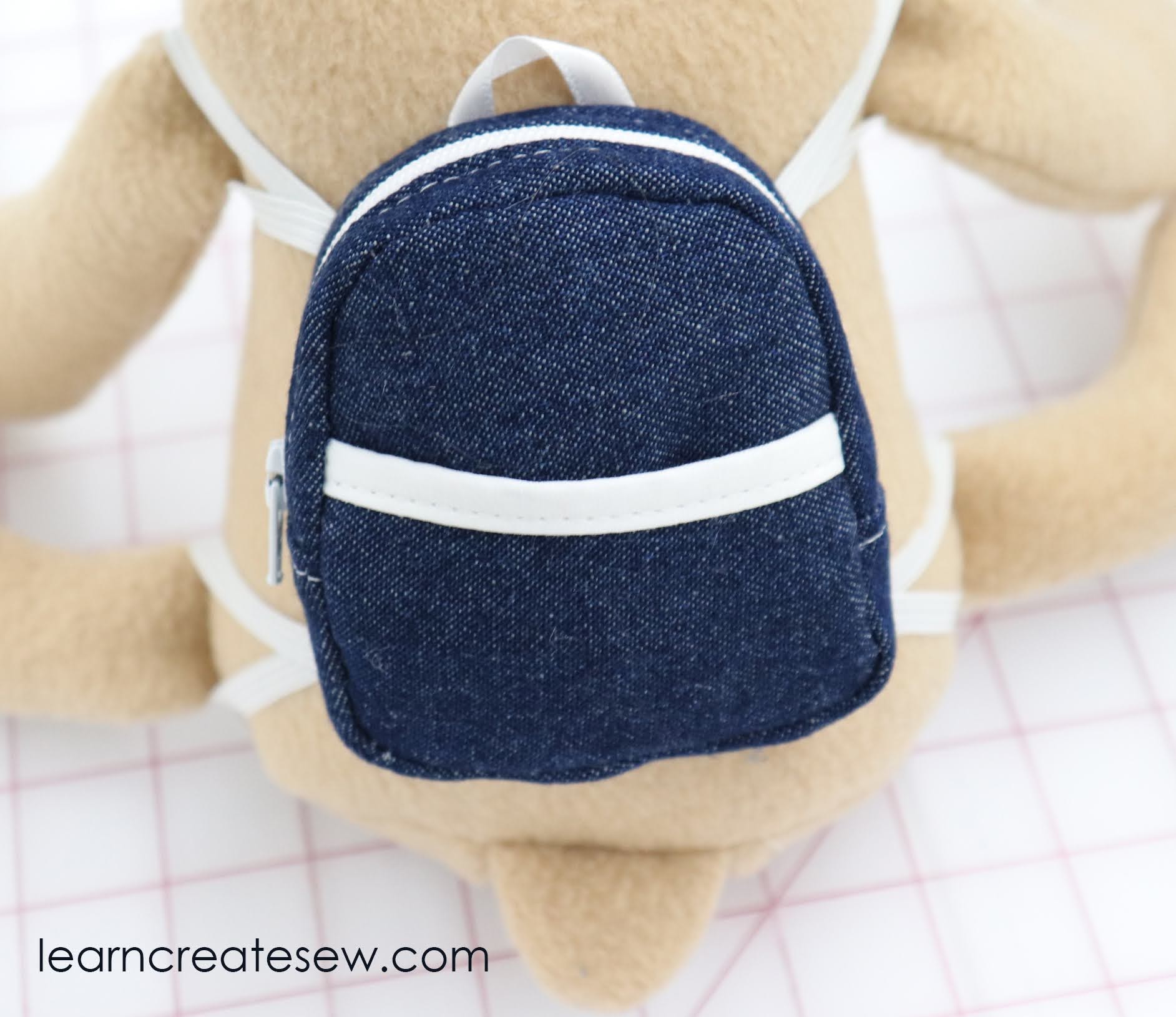
When I made the sloth plush project I always intended for there to be accessories to go with it. So, here is the first!

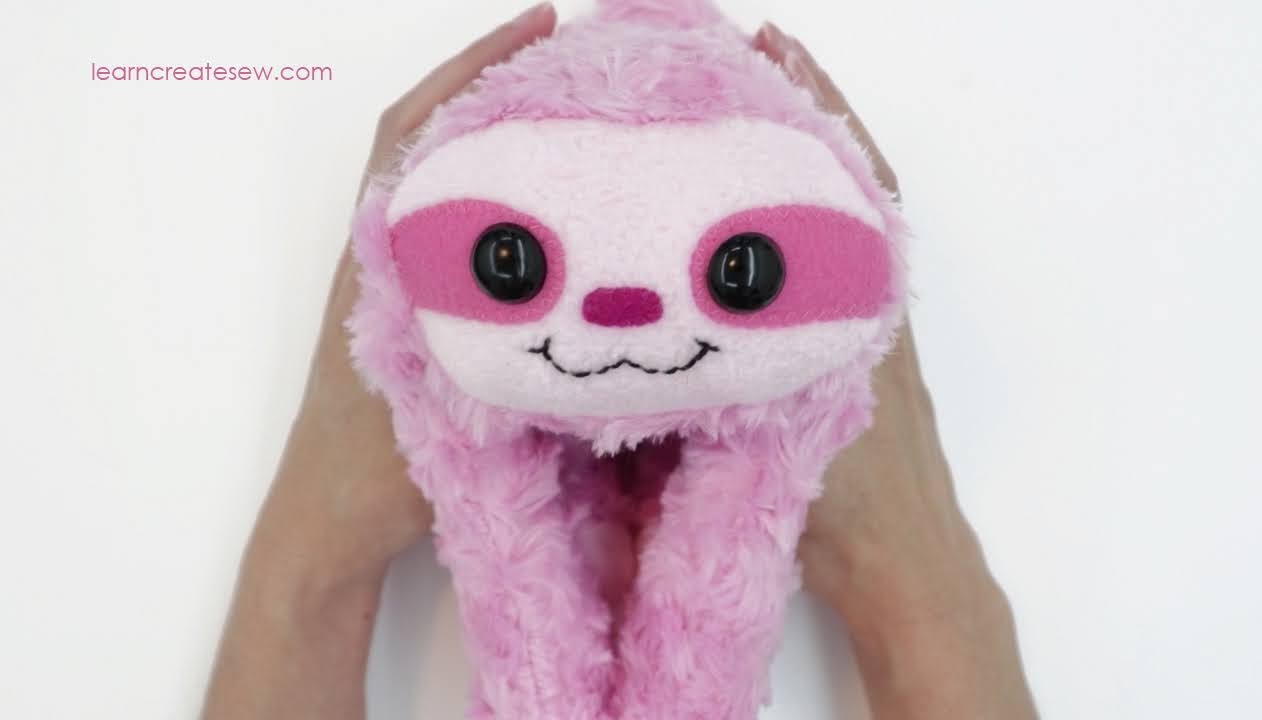
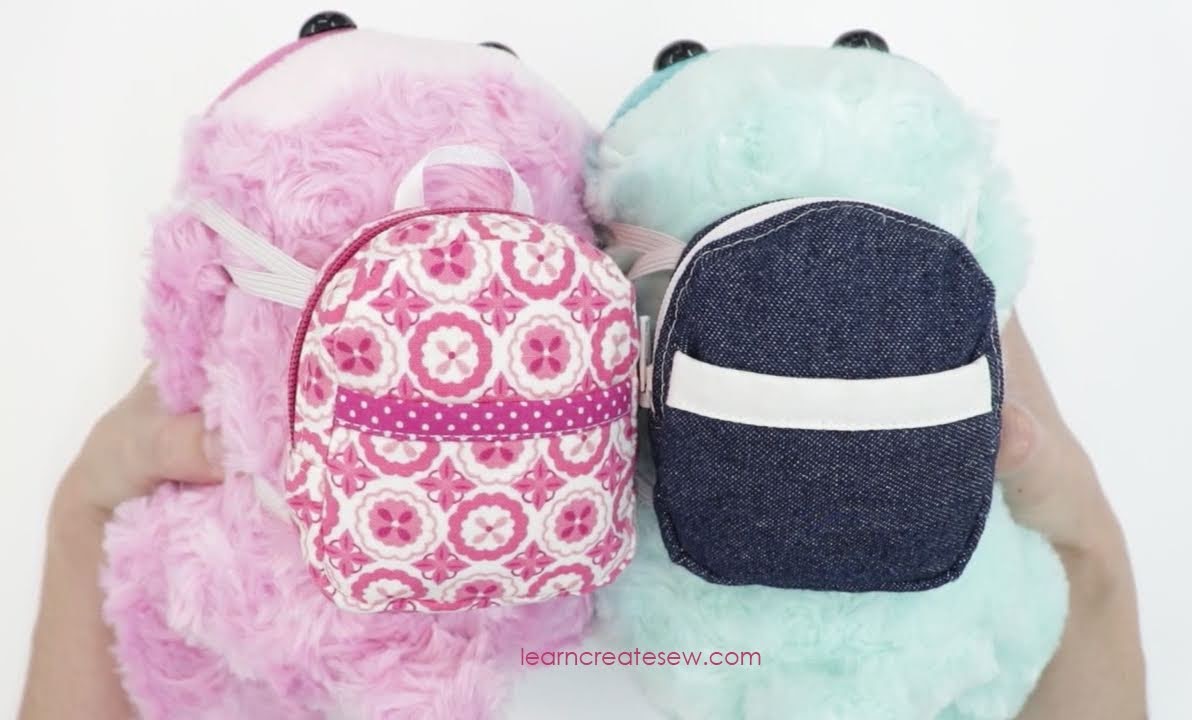
This is a tiny little backpack that is just adorable on the sloth project!

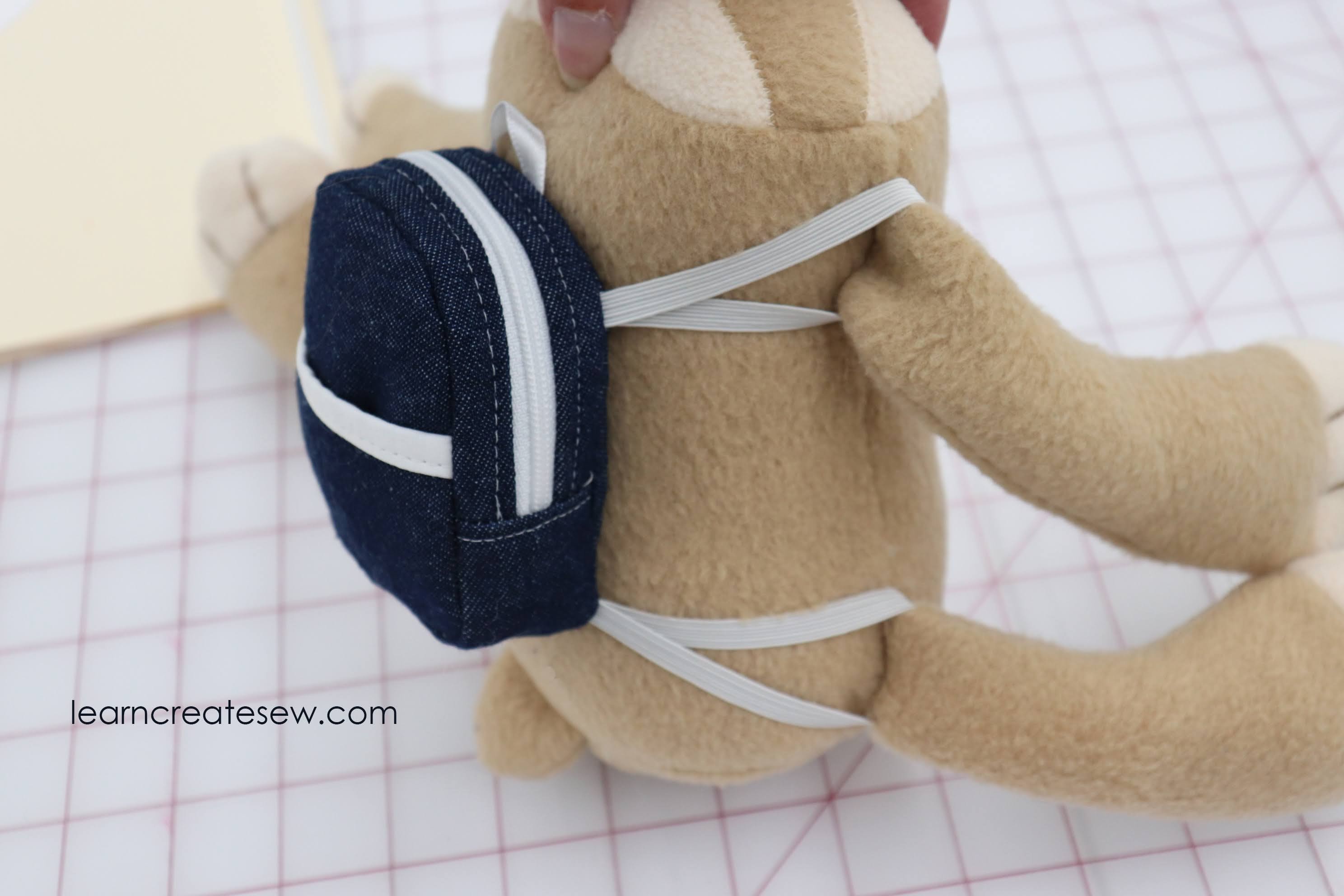
It could easily be adapted for other dolls and stuffed animals by adjusting the elastic straps.

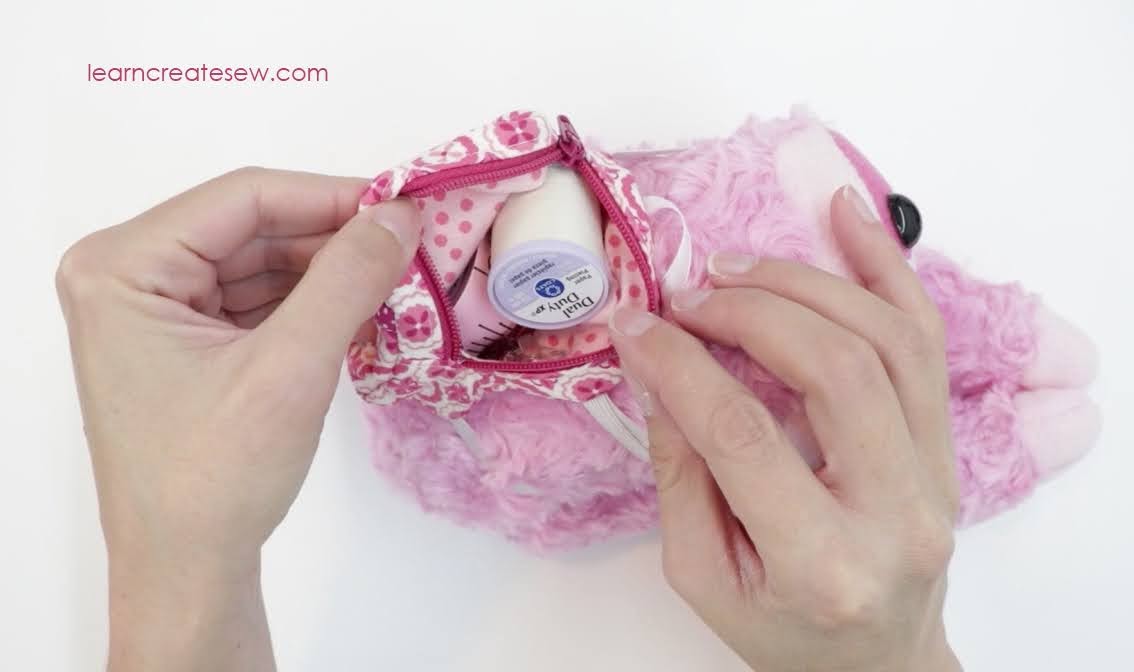
You can choose to make the backpack out of a single layer of fabric (like my denim example), or you can make it with lining (pink example). There are also two different options for the lower straps. Loops that go around each leg, or a single strap that goes around the belly.

Overall, I was really happy with how this one turned out. I hope you enjoy it as well!

Supplies:

  • 4.5 x 18 inches of Main Fabric
  • 4.5 x 18 inches of Interfacing (optional – I used Pellon SF101)
  • 4.5 x 18 inches of Lining Fabric (optional)
  • 1.75 x 4 inches of fabric for the trim
  • 3 inches of 1/4 inch wide ribbon (optional)
  • One 7 inch Zipper
  • 3/4 yard (27 inches) of 1/4 inch wide elastic
  • Coordinating Thread

Files:

Backpack Video Instructions:

Sloth Plush Video Tutorial PART 1

The sloth plush has been one of my posted free projects for quite some time, but I thought it was time to make a video!

I absolutely LOVE this project! It is so cuddly, which just makes me happy! It does take a bit of time, especially if you choose to work with fur, so the instructions for this project will be in two parts.

Supplies:

  • 7 x 48 inches Faux Fur or Fleece for body and legs
  • 4.5 x 18 inches of fleece for the face and claws
  • Scrap felt for face details
  • Two 16mm Safety Eyes (You could also use felt circles or buttons if you prefer)
  • Embroidery floss
  • Magnets, Velcro, or Snaps (optional)
  • Scrap fabric to cover magnets (optional)
  • Coordinating Thread
  • Poly-fil Stuffing

Helpful Tools:

Files:

Video Instructions PART 1:

2 Layer Face Mask with Filter Pocket

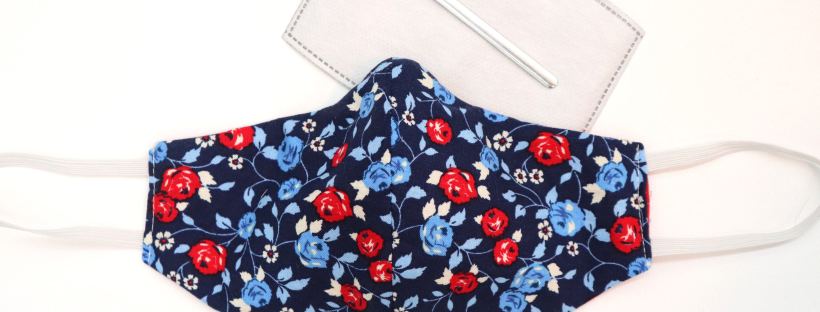
I am constantly trying the think of new ways to improve face masks. I am going to be wearing these every day to work like many of you and I hope to create masks that are both comfortable and functional.

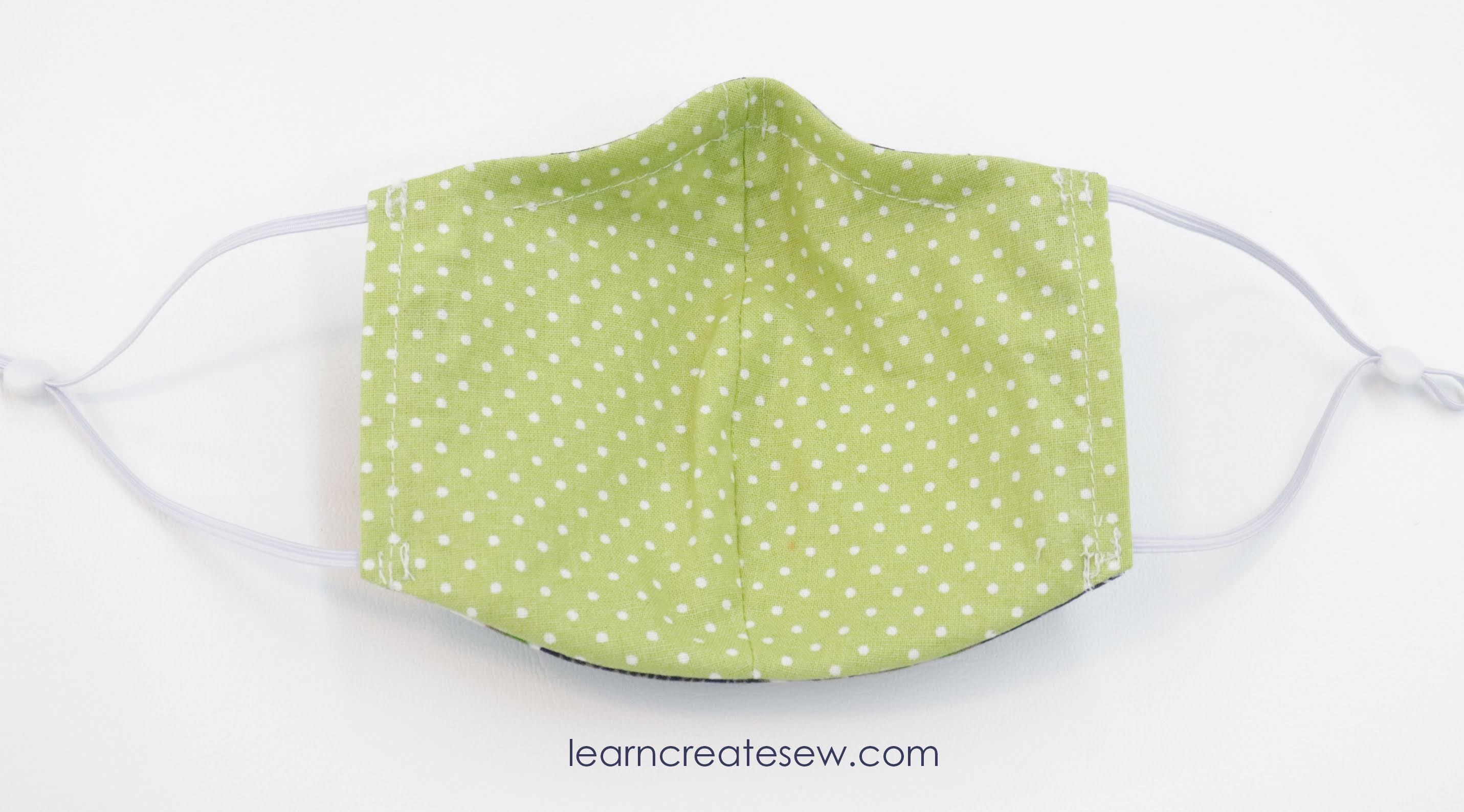
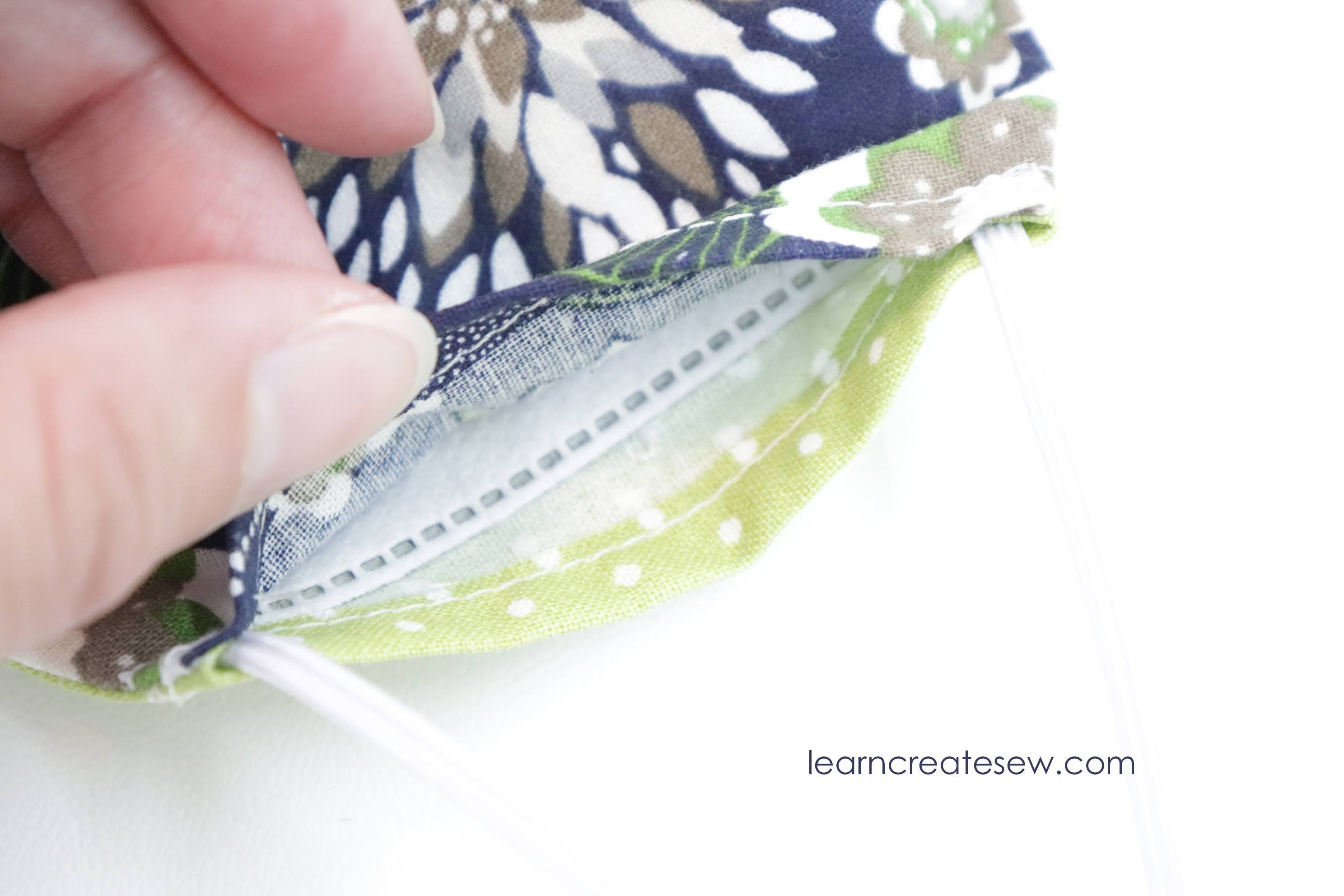
After making the 3 layer mask with a filter pocket I thought I would give this one a try. I was very pleased with the results.

3img_1925

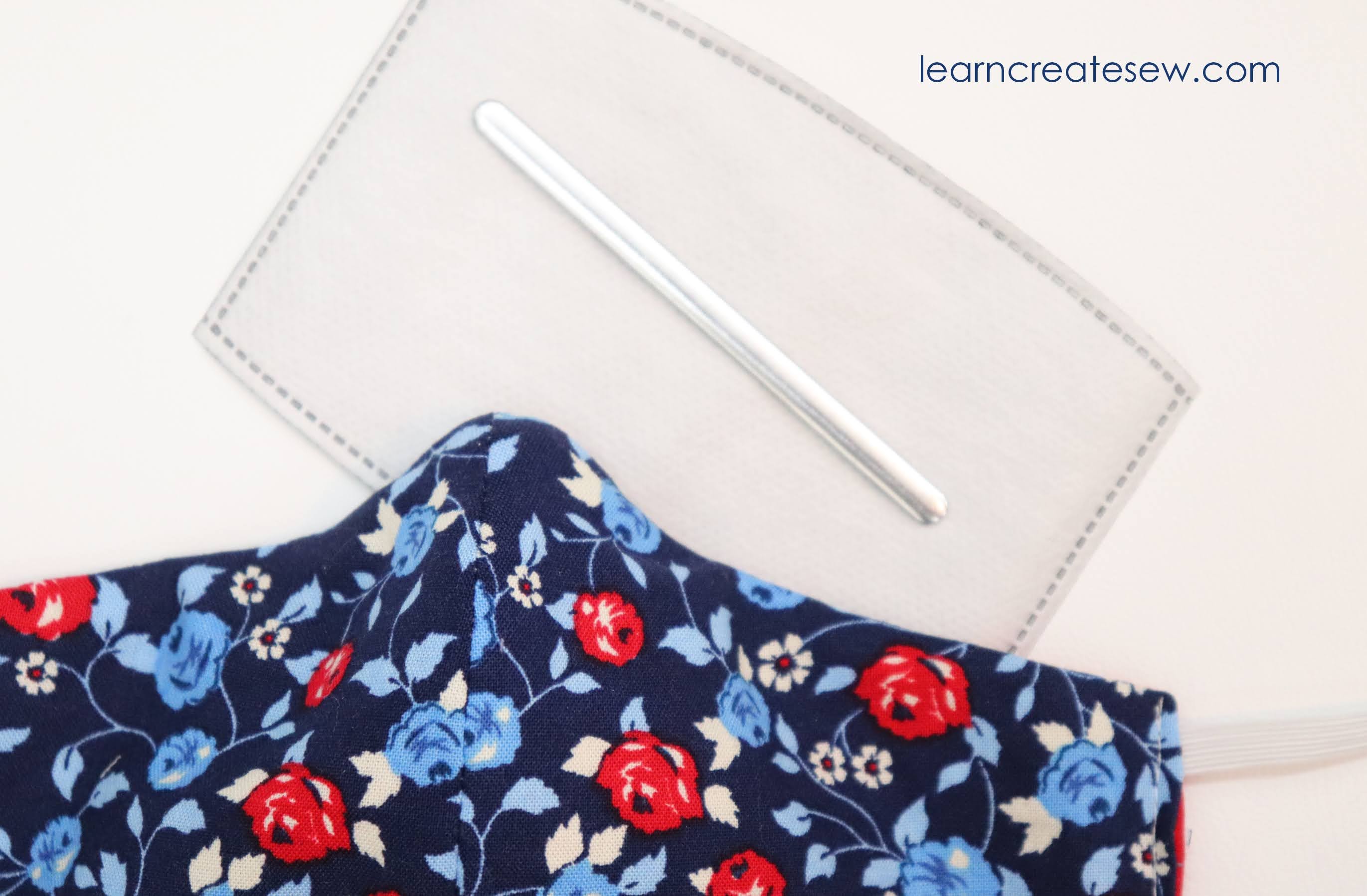
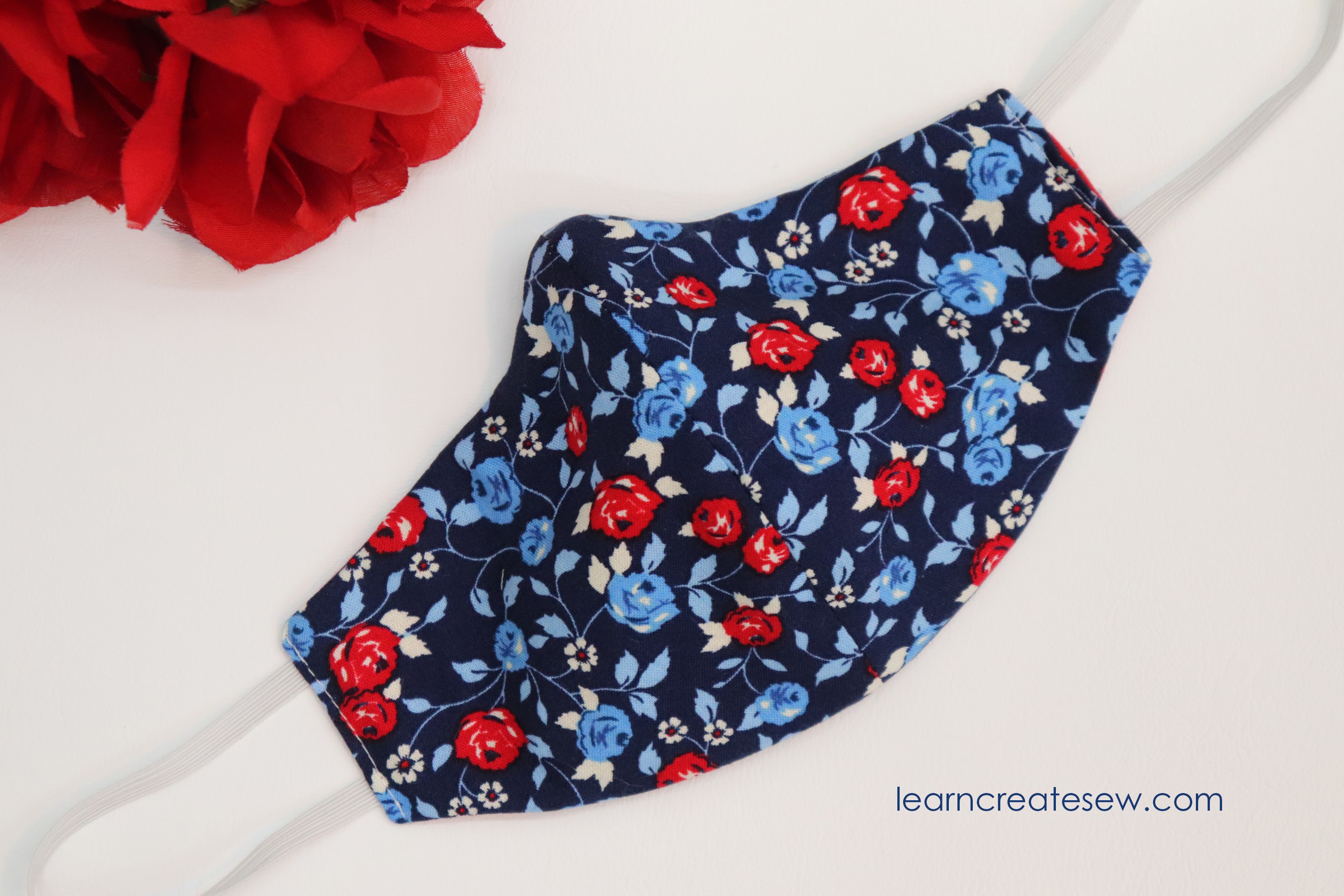
This mask uses my regular contoured face mask pattern, but cut at the pocket line, so it is a bit more narrow. This actually is nice because it’s not as hot since it doesn’t extend as far toward the ears.

1img_1931

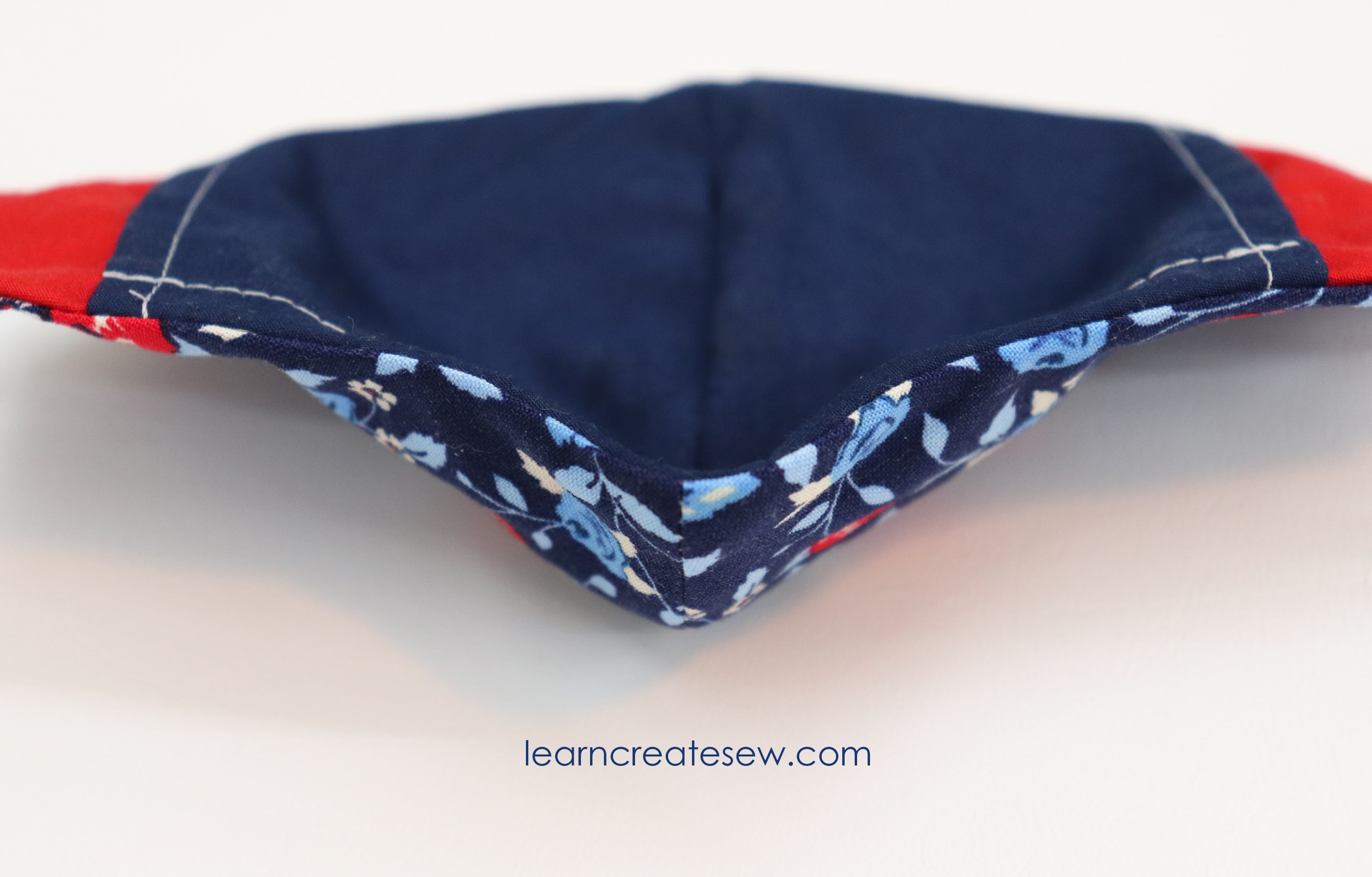
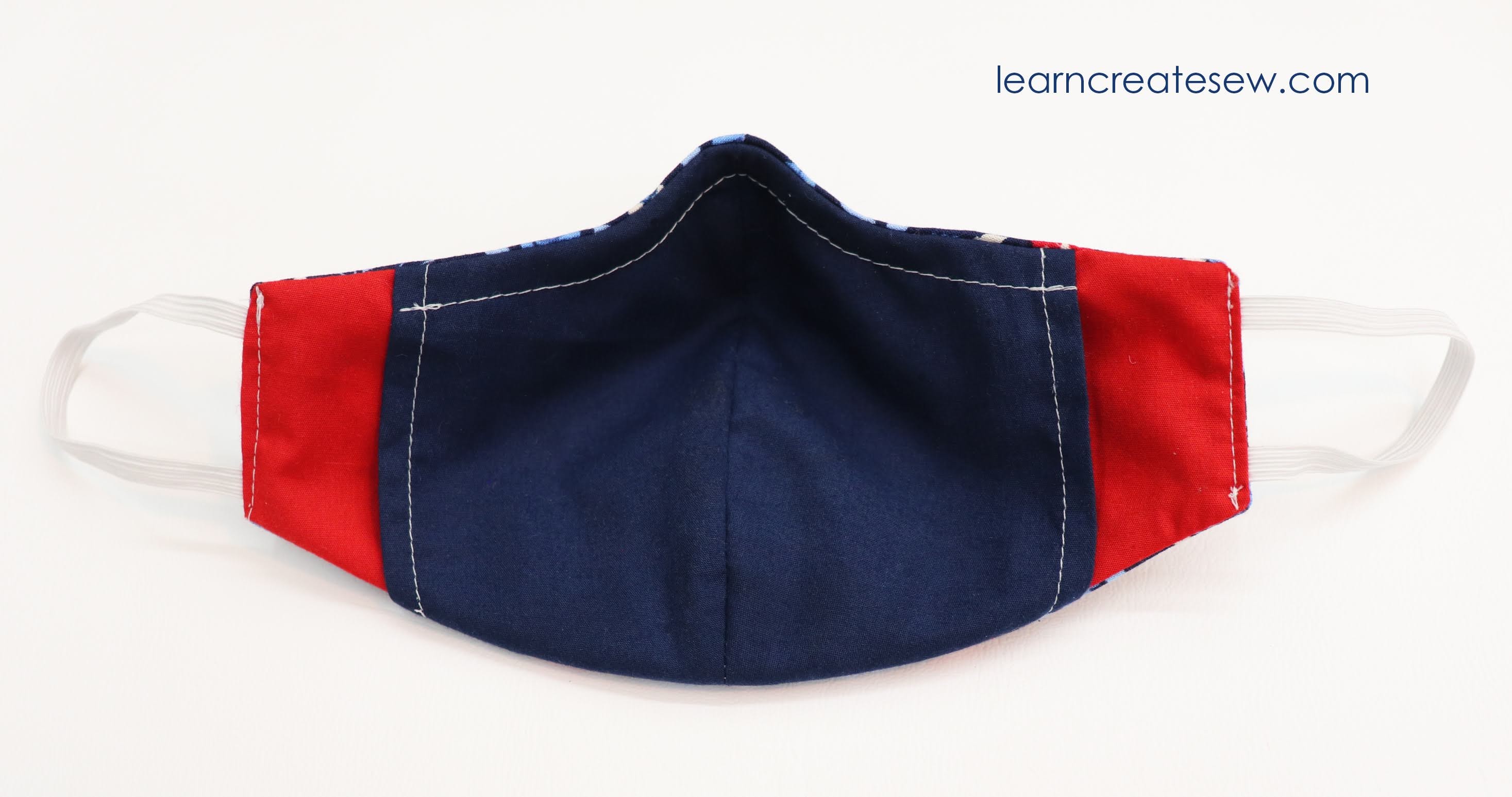
The channel for the nose bridge wire is optional, but is simply a row of stitches attaching the lining to the exterior fabric.

1img_1952

I didn’t use any interfacing on mine, and I really like how lightweight it is, even with the filter.

1img_1947

I also tried strap adjusters with this mask. They are handy and are quite easy to use. I like that they are small and not bulky.

Supplies:

8 x 10 inches Main Cotton Fabric (Dimensions work for all sizes. You may need less fabric for smaller sizes)

8 x 10 inches Lining Cotton Fabric

Straps (I used 1/8 inch elastic)

Filter (Optional)

Nose Bridge Wire (Optional)

Strap Adjusters (Optional)

Free Pattern:

Contour Face Mask Pattern with Filter Pocket by learncreatesew

DETAILED INSTRUCTIONS:

FACE MASK KEY CHAIN CASE:

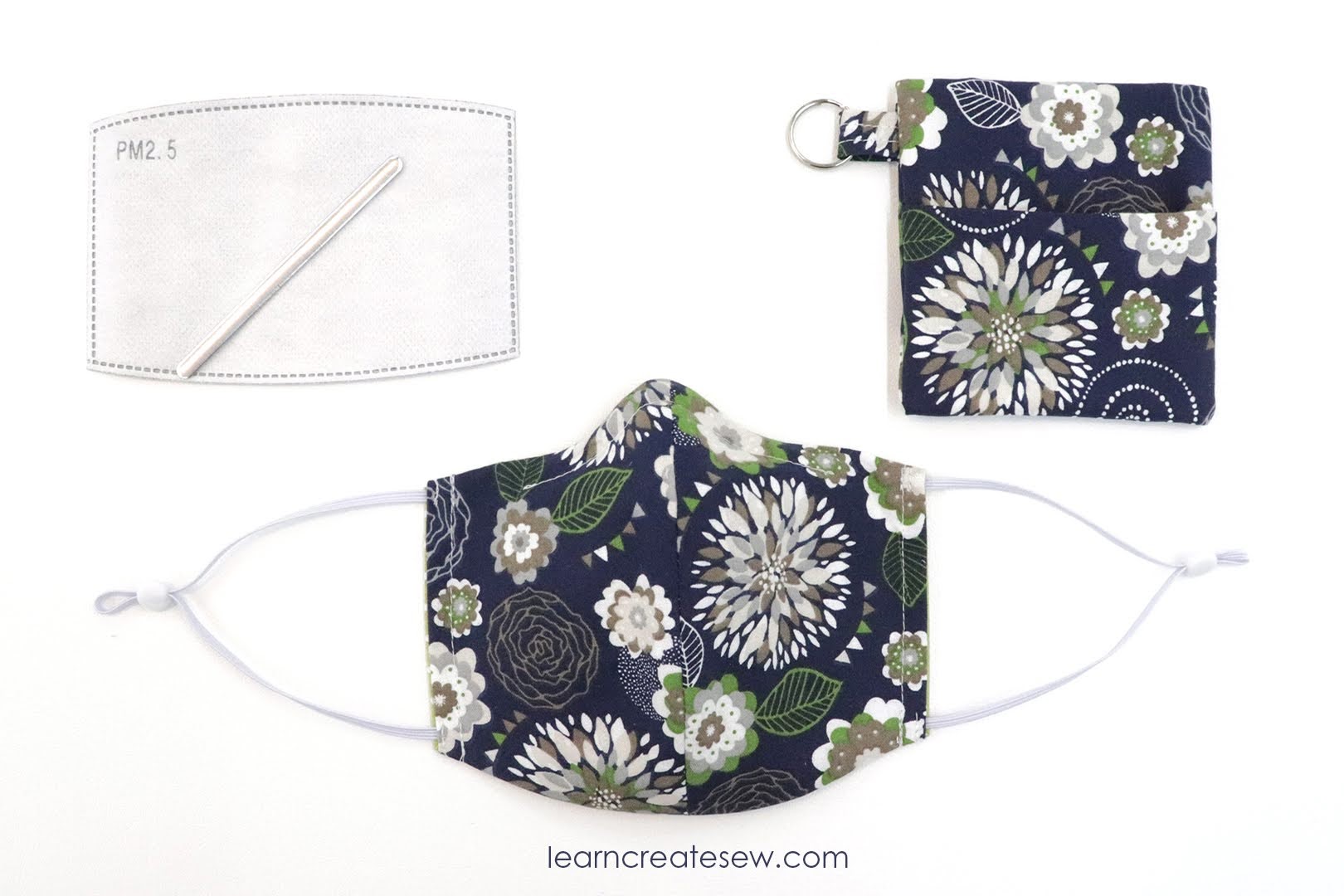
The face mask key chain case is always a fun project 🙂 It’s a little tight fitting the nose bridge wire, and you have to fold the filter, but I like to store my mask in the case when it’s not in use, without the filter and wire. I find it keeps my masks nice and organized.

Contour Face Mask with Nose Bridge Wire and Filter Pocket

If you are looking for a face mask that provides additional protection, then this may be the mask for you. Nose bridge wire allows for a more personalized fit, and a filter will make your mask more effective.

1img_1287

This mask uses the same basic pattern shape as my regular Contour Face Mask, but has additional features. The updated pattern, with pockets, is linked below.

1img_1261

Adding nose bridge wire will let less air escape from the top of the mask and will force more air through the filter. I have heard it also helps minimize the fog you get if you wear glasses.

1img_1291

I made a size Medium and my purchased filters that I found on Amazon fit quite nicely inside. The filters are 4.72 x 3.15 inches. Smaller sizes may need filters or filter fabric that can be trimmed.

1img_1303

Supplies:

These dimensions will work for all sizes. Actual size needed may be smaller if you make a smaller size.

About 8 x 15 inches Main Cotton Fabric

About 8 x 15 inches Lining Fabric (I used cotton)

About 8 x 13 inches of Pocket Fabric (I used cotton)

Elastic, Ribbon, or Fabric for Ties.

Nose Bridge Wire (Mine is 9mm wide.)

Filter or Filter Fabric

Here is the free pattern:

Contour Face Mask Pattern with Filter Pocket by learncreatesew

DETAILED INSTRUCTIONS

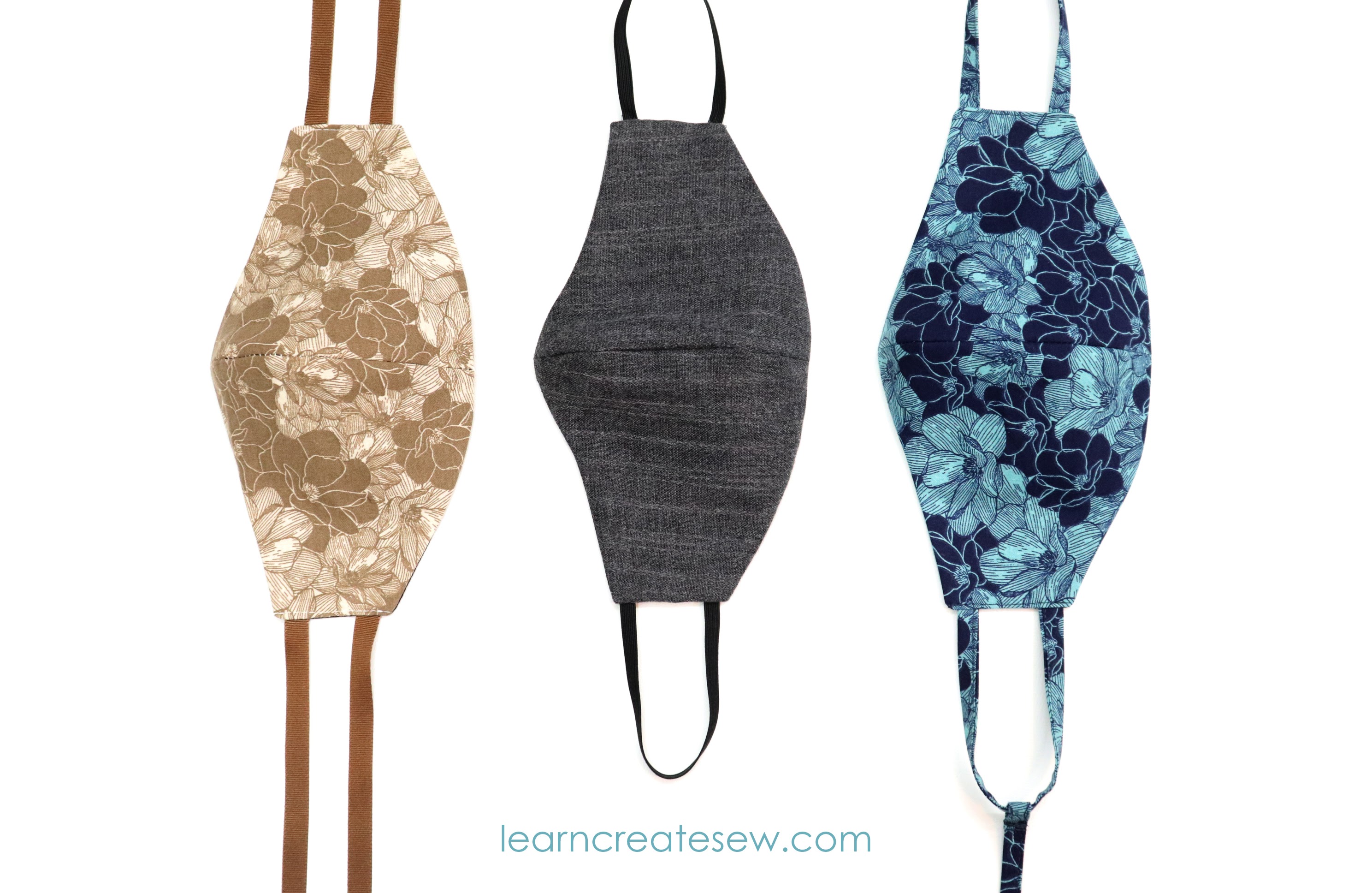
Contoured Face Masks

I really like the look of contoured face masks! Making a pattern has been on my to-do list for several weeks, and I am happy to share it with you today!

1img_1172

With many of the patterns I tried, I found that the mask would move around a lot when I spoke. This drove me crazy, and as I result this project sat at the bottom of my stack for a while. But this week I found new motivation and tested it out again.

1img_0969

Lo and behold I made a pattern that works! This mask has a great shape, but allows me to talk without worrying about having to adjust my mask every two seconds. Since you are supposed to touch your mask as little as possible, I think this is a big plus!

This pattern makes two different styles of mask. Masks with either fixed ties or masks with adjustable ties.

FIXED TIES & ELASTIC

I have to say,  I definitely prefer fixed ties. Maybe it’s because I have made so many masks that I know exactly what size works for me, and since the ties don’t move I feel like I always get a really good fit.

1img_1041sm

Even with fixed ties you still have plenty of options for the ties that work best for you. There is the single tie back mask, elastic, or the basic two tie option. Also, with fixed ties you use less elastic, so if you have a limit supply, that is something to consider.

1img_0896

ADJUSTABLE TIES & ELASTIC

While fixed ties are my favorite, there is no question that there are definite advantages to using adjustable ties. If you are planning to use elastic, and you want to donate the mask to a charity, friend, or relative, adjustable elastic is great as the wearer can adapt it to their preference and size.

1img_1170

You can also make a single fabric tie that is adjustable.

1img_1165

While this option looks great, I found this to be one of my least favorite options, as I had a hard time tying the mask to fit just right, but I know a lot of people prefer this design. 

You can also use two basic ties on the side to tie behind your head or ears. If you are planning to tie behind your ears, I would definitely choose a thin ribbon.

3img_1180-1

All of the masks fit in my key chain carrying cases, which I always love 🙂

MY FAVORITES

My overall winner for comfort and fit was the single tie back mask. I don’t know what it is, but it is just comfortable! I never have to worry if it is going to fit right.

1img_0933

For convenience you can’t beat either of the elastic masks. They are still really comfortable if you make the elastic the appropriate size, and so easy to use. There is nothing better if you need something that is a quick on and off. Plus you don’t have to worry about the long ties when storing or washing.


Supplies:

These dimensions will work for all sizes. Actual size needed may be smaller if you make a smaller size.

About 8 x 15 inches Main Cotton Fabric

About 8 x 15 inches Lining Fabric (I used cotton)

About 8 x 15 inches Interfacing (Optional – I used Pellon SF101 for some of the masks. The black and gray mask has no interfacing.)

Elastic, Ribbon, Bias Tape, or Fabric for Ties

Here is the free pattern:

Contoured Face Mask Pattern by learncreatesew

FIXED TIES – DETAILED INSTRUCTIONS:


ADJUSTABLE TIES – DETAILED INSTRUCTIONS:


FACE MASK CASE:


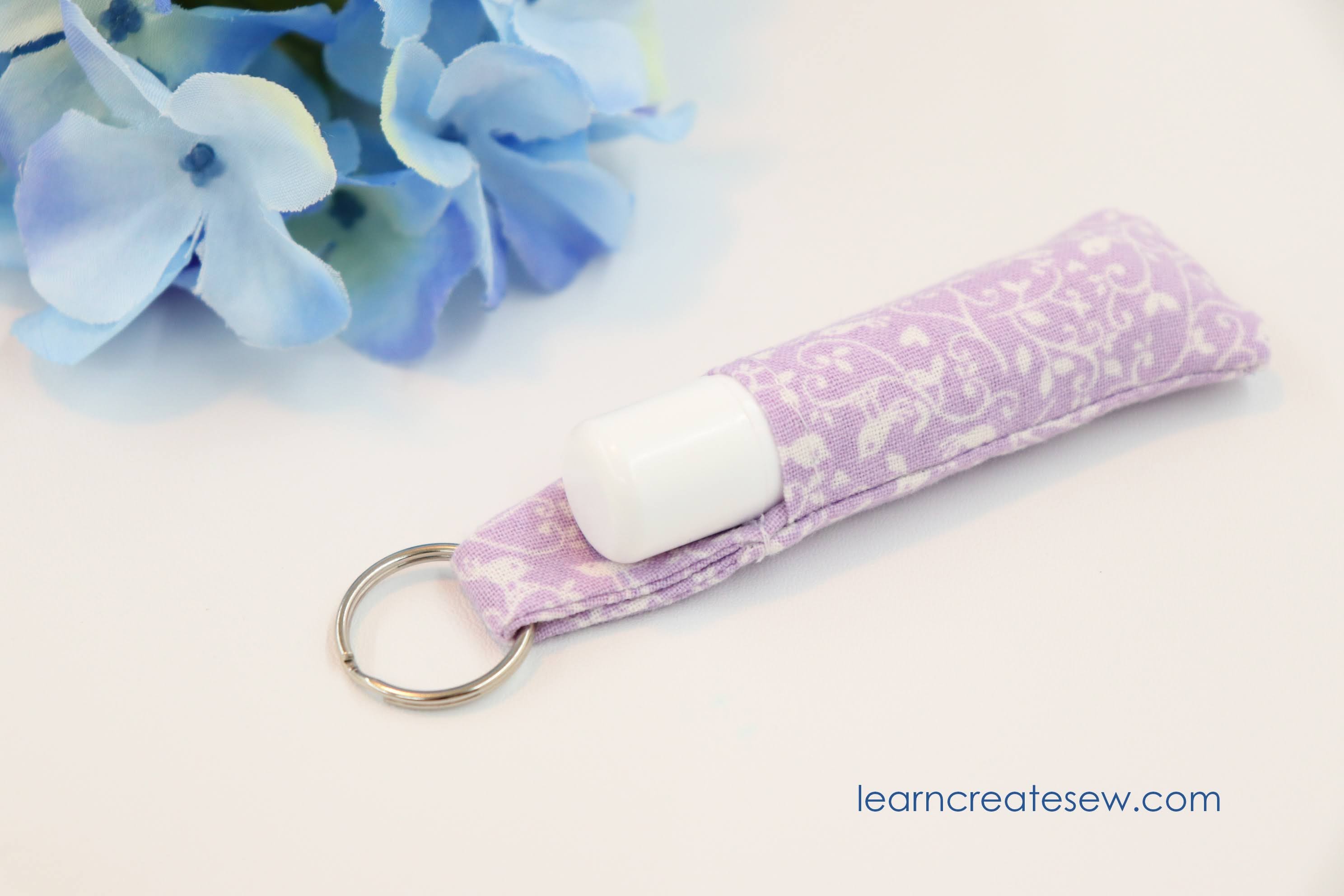
Hand Sanitizer / Lip Gloss Key Chain

I am so happy with this project!

1img_0729

I have been wanting to make a lip gloss key chain for a while and finally had the chance to do so. I LOVE IT! They turned out just the right size 🙂 I was very pleased.

1img_0745-1

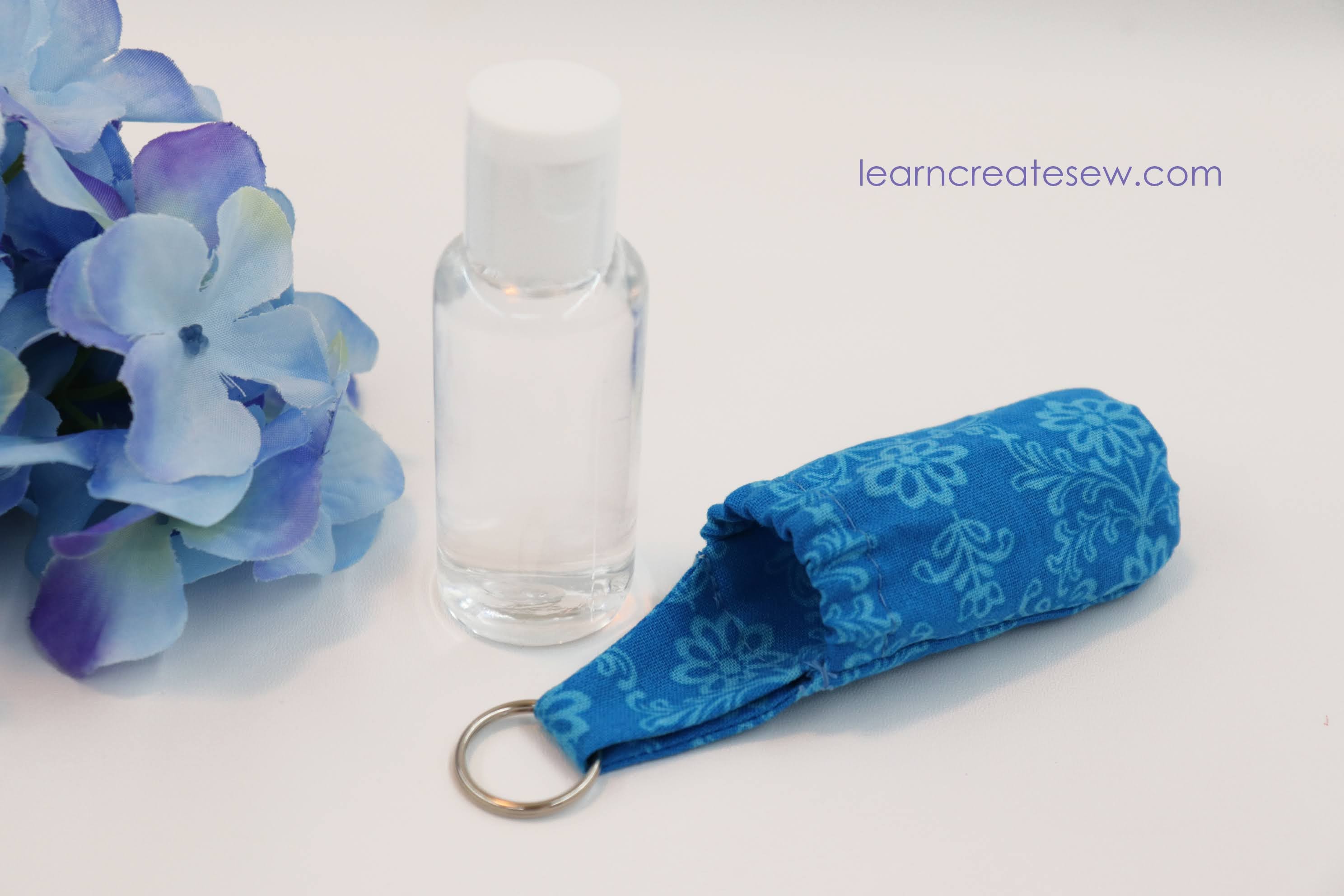
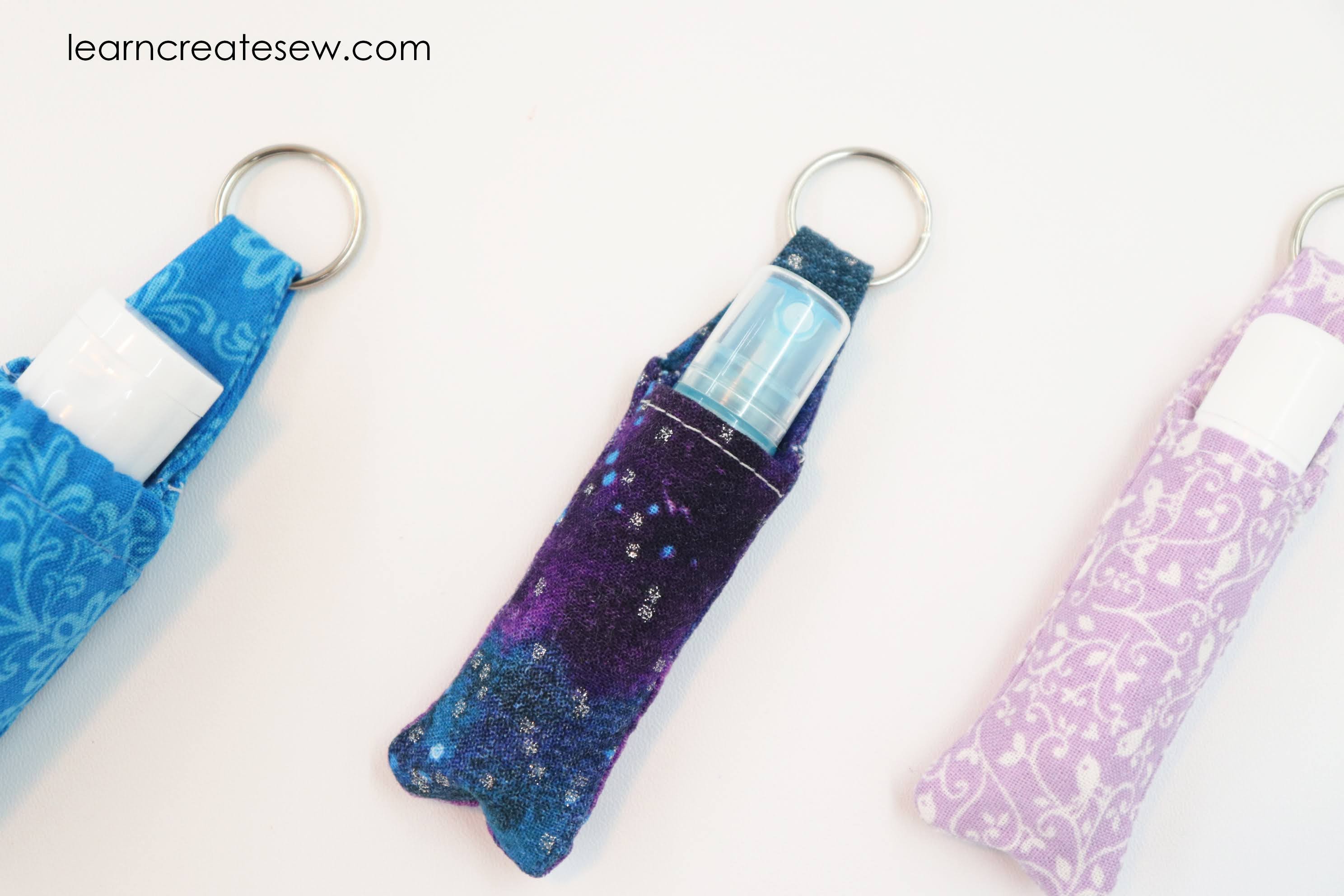
Once I had the lip gloss version done I was very happy to find a similar size spray bottle that works perfectly for liquid hand sanitizers! It would be awesome for perfume as well.

1img_0704

Once I had this key chain ready, I couldn’t resist making another size for larger hand sanitizer bottles. This works great for many 1 oz flip top bottles that usually hold gel hand sanitizers.

1img_0783

Since this project is so small, I used my purple thang a ton while sewing.

1img_0800

I used them for the first time today and I already love them. Perfect to add to your key ring or purse. These are also super cute as gifts! And since they don’t take much fabric, they are very affordable.

1img_0628

Supplies

1 key ring

2.5 inches of 1/4 inch elastic (for wide version)

6 x 10 inches of cotton fabric (or scrap fabric)

Here is the free pattern:

Lip Gloss Hand Sanitizer Key Chain Pattern by learncreatesew

DETAILED INSTRUCTIONS:

QUICK OVERVIEW (FLAT POCKET):

QUICK OVERVIEW (ELASTIC POCKET):

Needle Book

This is a cute fun little project. It is super fast to make, and handy to have around the sewing room, especially if you do a lot of hand sewing. These also make really cute gifts.

1img_0209

It doesn’t take much fabric, so it is a good way to use up your scrap fabric!

1img_0286

I love the little pockets. You can store thread, needle threaders, needle grips, and even tiny travel scissors.

This book measures approximately 3.5 x 2.625 inches when finished.

Supplies:

Scrap Cotton Fabric (or 1/4 yard)

Felt

12 – 14 inches of narrow ribbon (I used 1/4 inch wide)

Featherweight Fusible Interfacing (optional)

Cotton Batting (optional)

Here is the free pattern:

Needle Book Pattern by learncreatesew

DETAILED INSTRUCTIONS:

QUICK OVERVIEW: