Sloth Plush Video Tutorial Part 2 and Backpack

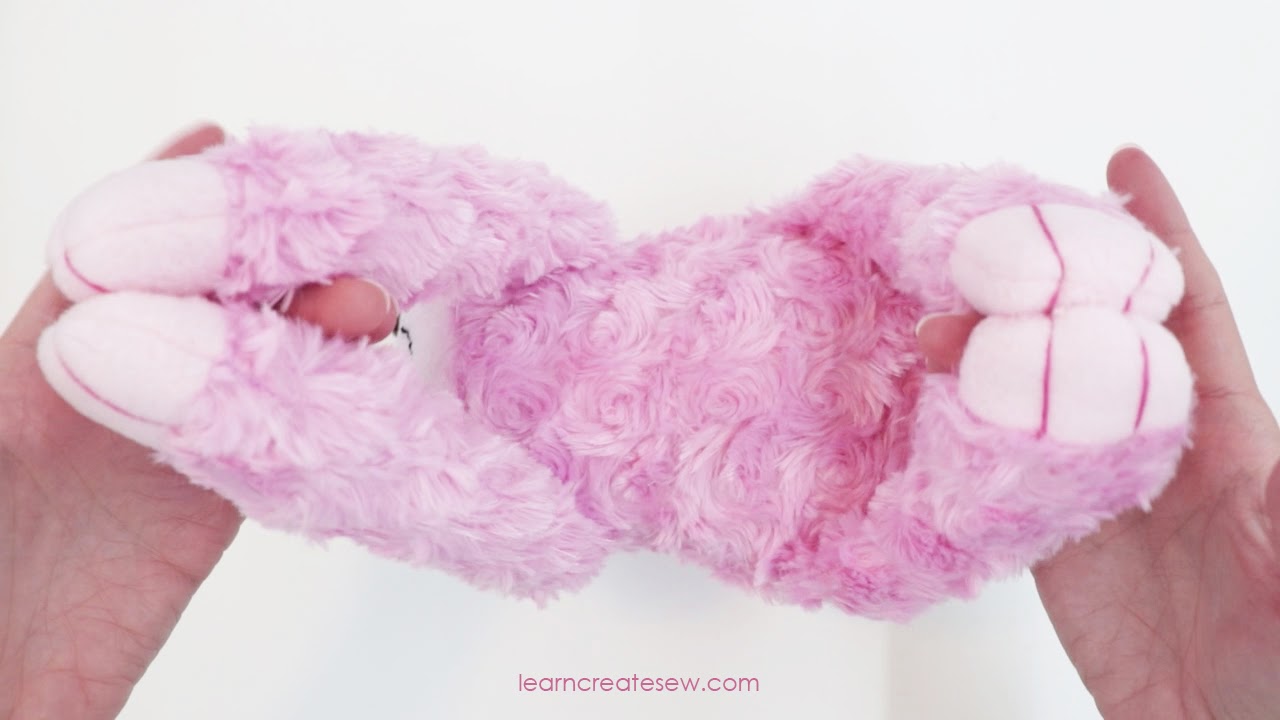
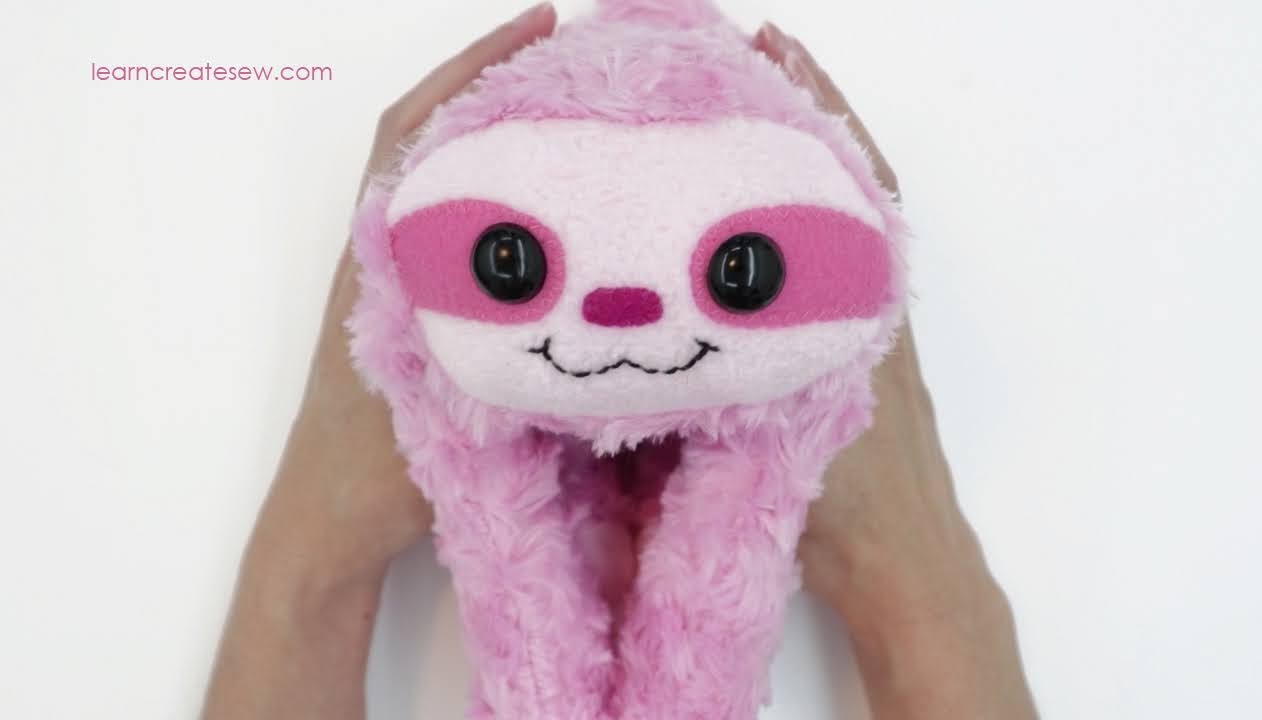
Part 2 of the Sloth video tutorial is finished and ready to share! I hope you are excited to complete this project!
Sloth Supplies:

  • 7 x 48 inches Faux Fur or Fleece for body and legs
  • 4.5 x 18 inches of fleece for the face and claws
  • Scrap felt for face details
  • Two 16mm Safety Eyes (You could also use felt circles or buttons if you prefer)
  • Embroidery floss
  • Magnets, Velcro, or Snaps (optional)
  • Scrap fabric to cover magnets (optional)
  • Coordinating Thread
  • Poly-fil Stuffing

Helpful Tools:

Files:

Sloth Quick Overview:

Sloth Video Detailed Instructions PART 1:

Sloth Video Detailed Instructions PART 2:

BACKPACK

When I made the sloth plush project I always intended for there to be accessories to go with it. So, here is the first!

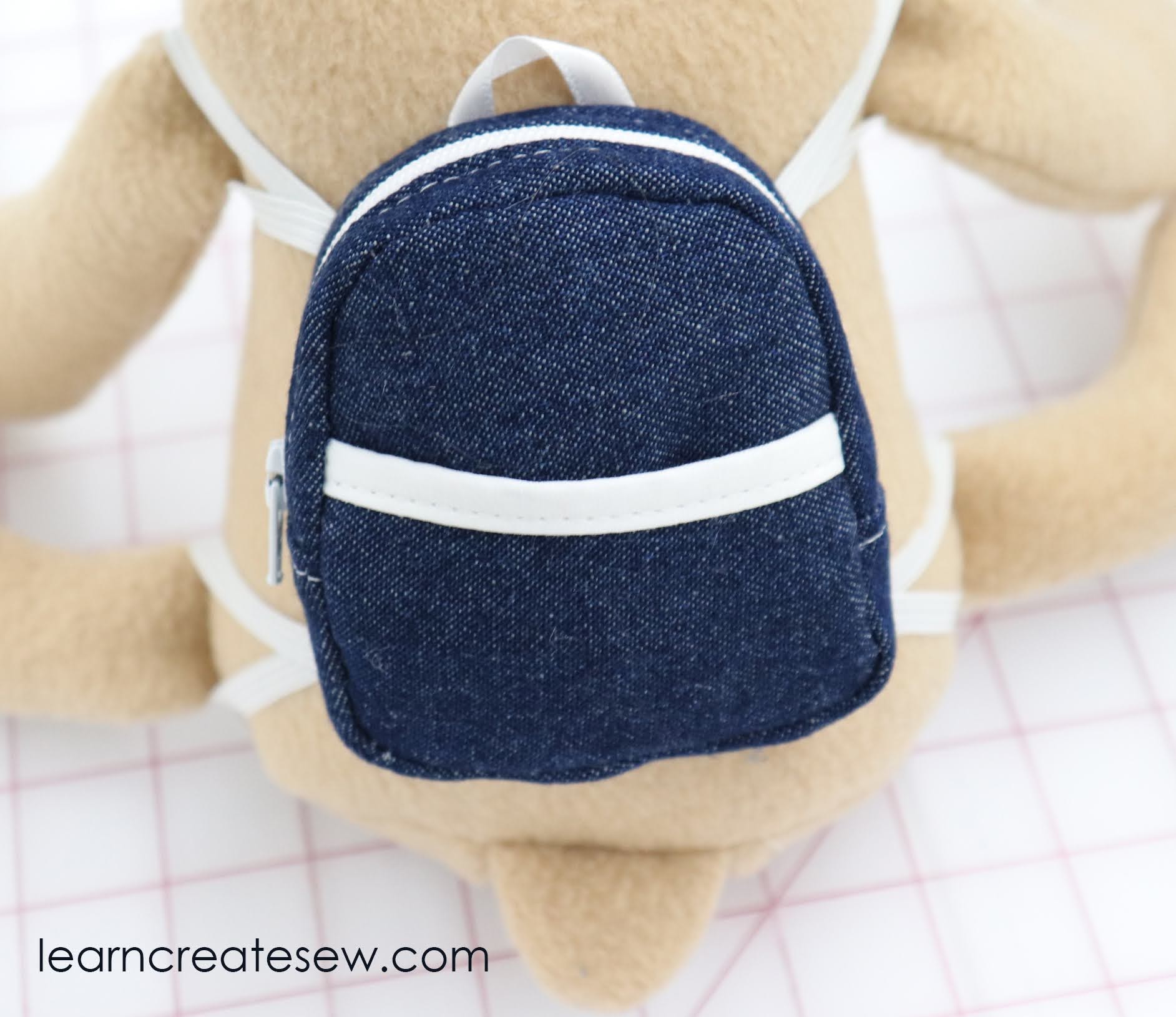
This is a tiny little backpack that is just adorable on the sloth project!
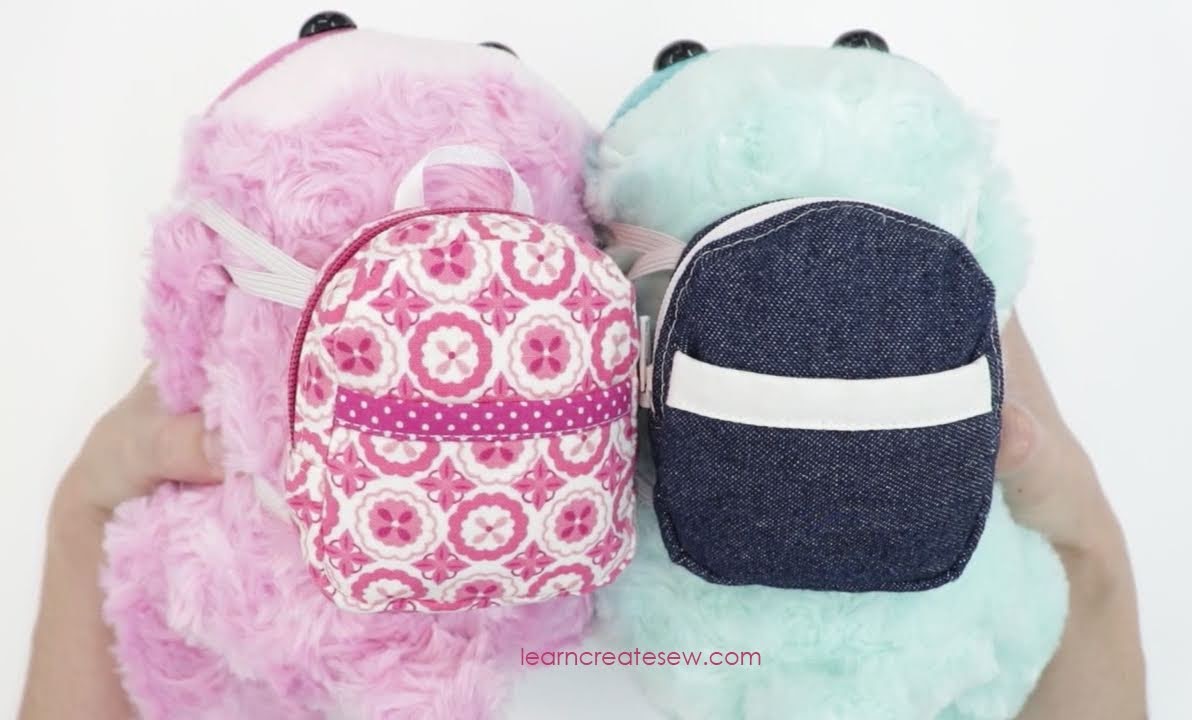
It could easily be adapted for other dolls and stuffed animals by adjusting the elastic straps.
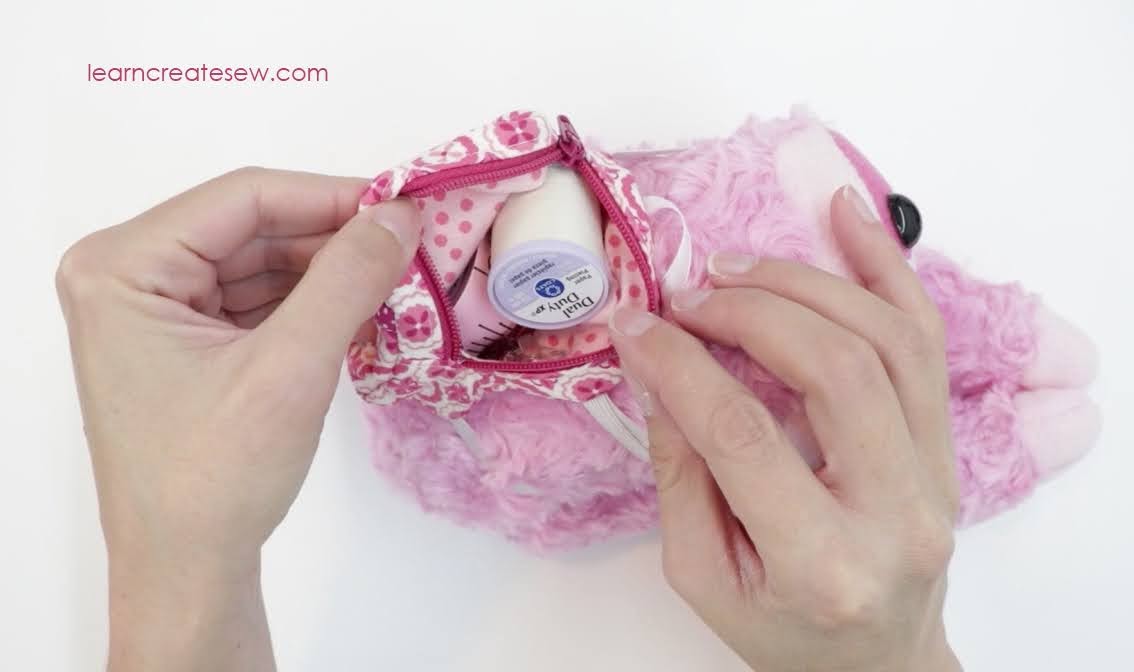
You can choose to make the backpack out of a single layer of fabric (like my denim example), or you can make it with lining (pink example). There are also two different options for the lower straps. Loops that go around each leg, or a single strap that goes around the belly.
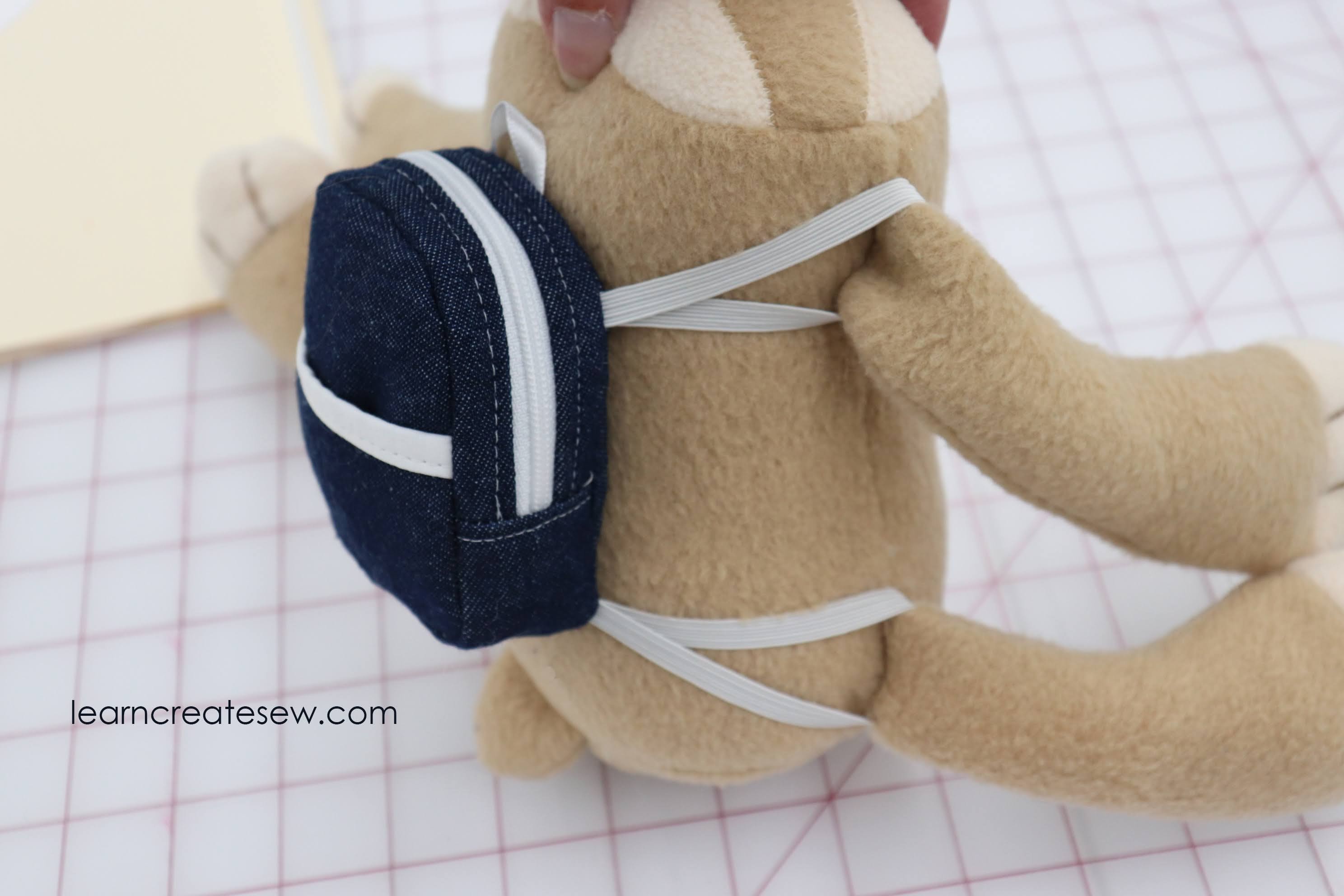
Overall, I was really happy with how this one turned out. I hope you enjoy it as well!

Supplies:

  • 4.5 x 18 inches of Main Fabric
  • 4.5 x 18 inches of Interfacing (optional – I used Pellon SF101)
  • 4.5 x 18 inches of Lining Fabric (optional)
  • 1.75 x 4 inches of fabric for the trim
  • 3 inches of 1/4 inch wide ribbon (optional)
  • One 7 inch Zipper
  • 3/4 yard (27 inches) of 1/4 inch wide elastic
  • Coordinating Thread

Files:

Backpack Video Instructions:

Sloth Plush Video Tutorial PART 1

The sloth plush has been one of my posted free projects for quite some time, but I thought it was time to make a video!

I absolutely LOVE this project! It is so cuddly, which just makes me happy! It does take a bit of time, especially if you choose to work with fur, so the instructions for this project will be in two parts.

Supplies:

  • 7 x 48 inches Faux Fur or Fleece for body and legs
  • 4.5 x 18 inches of fleece for the face and claws
  • Scrap felt for face details
  • Two 16mm Safety Eyes (You could also use felt circles or buttons if you prefer)
  • Embroidery floss
  • Magnets, Velcro, or Snaps (optional)
  • Scrap fabric to cover magnets (optional)
  • Coordinating Thread
  • Poly-fil Stuffing

Helpful Tools:

Files:

Video Instructions PART 1:

Skill Builder – Finishing Seams

One thing that comes up frequently in sewing is finishing seams. This can be just as important on simple projects as it is on garments and in more complex construction.

Having a bag of tricks for finishing seams can remove the need for linings and can simplify projects. It can also provide a more polished and professional look.

In my video I will demonstrate four different methods of finishing seams.

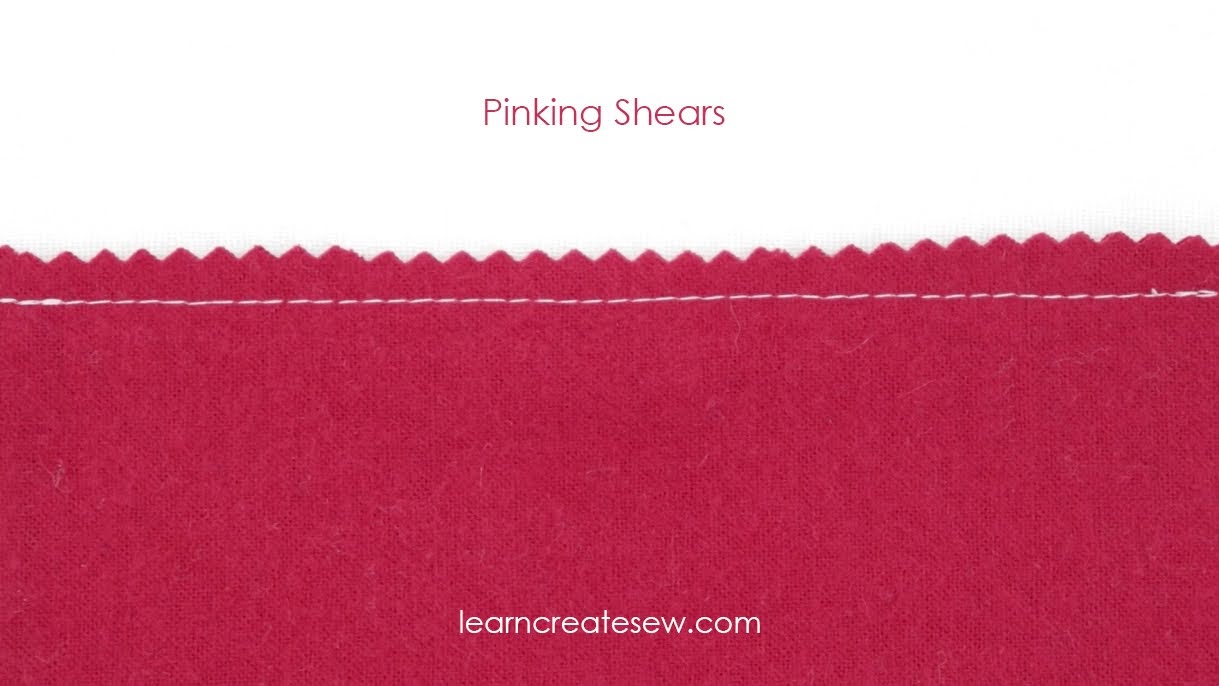
PINKING SHEARS

This is the easiest method for finishing seams. It takes very little time and is really convenient. However, it does require a nice pair of pinking shears and they can be a bit pricey.

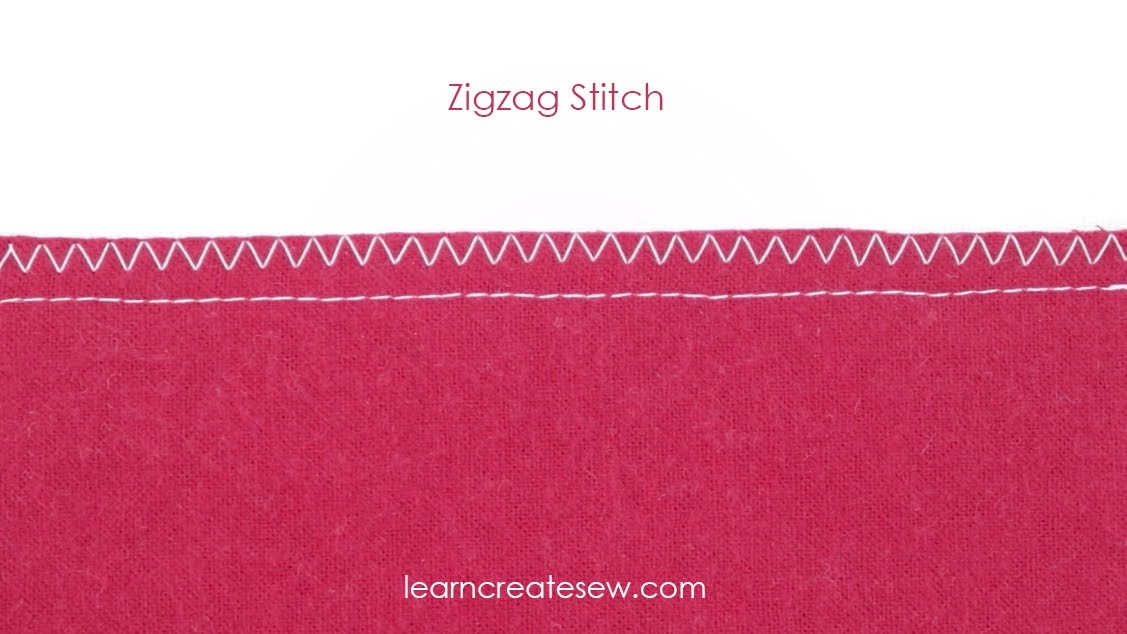
Zigzag Stitch

This method is very convenient as well. Most sewers are comfortable with the basic zigzag. It doesn’t require any special tools or accessories and it gets the job done.

Zigzag Over the Edge

This is a quick substitute for the overcast stitch if you don’t have the overcast foot available. However, depending on the weight of your fabric the edge may roll a bit when it is met with the tension of the stitch. I find it works well on heavier weight fabrics. The fabric shown in the example is a mid-weight flannel.

Overcast Stitch

This stitch provides the most professional finish. Since it is actually designed to go over the edge it is great for finishing seam allowances. However, it usually requires a special foot for your machine, and depending on your machine the stitch may or may not be an option.

Watch the video and learn how to use these seam finishing methods!

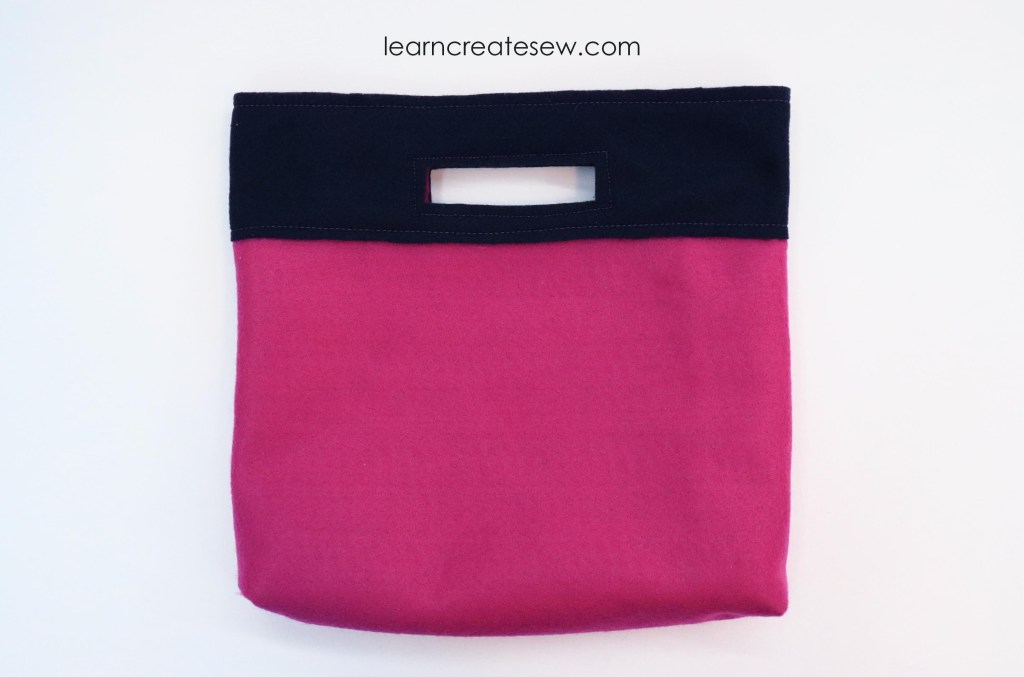
Learn to Sew: Lesson 5: Felt Carrying Case

Thanks for your patience for this latest post! I am a full time teacher, and with school starting back in full swing I haven’t had as much time to devote to new posts as I would like. Don’t worry! I still plan to post new content. However, it just may not be as frequent as it was over the summer. I hope you enjoy the new projects as they come and until then check out my free projects that are already available!

This is a fun quick project that helps practice sewing straight seams. It also introduces bag making basics with boxed corners.

Lesson Category:

  • Machine Sewing – Straight Seams

Lesson Topics:

  • Essential Tools
  • Cutting Rectangles
  • Sewing Straight Seams
  • Boxing Corners

This project uses large sized felt fabric, since the pieces are larger than the standard sized felt sheets available in most stores.

Felt is a great fabric to start with for your first projects because it doesn’t fray. You don’t have to worry about raw edges and it will look nice inside and out!

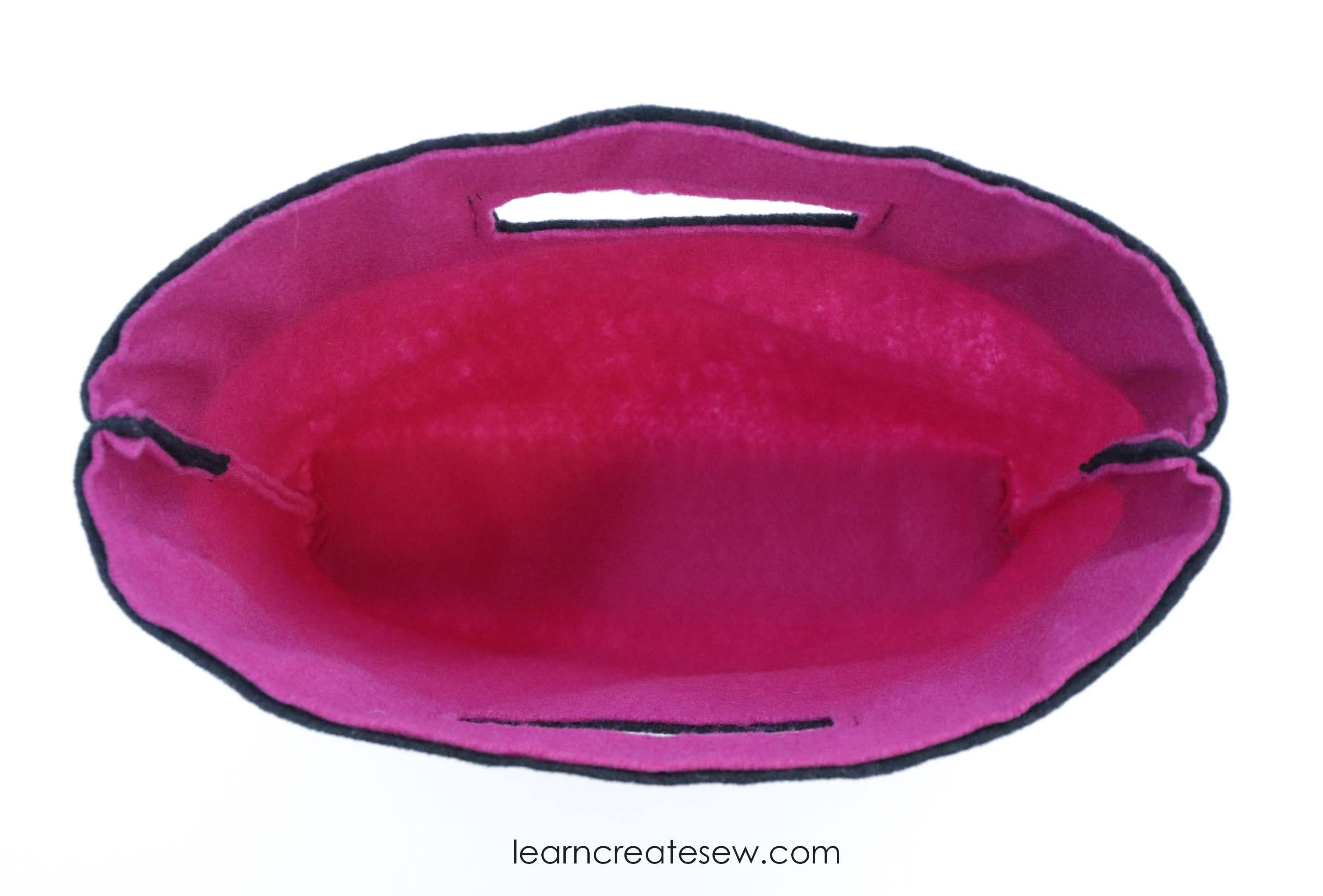
The top of the bag is made with two layers of felt stitched together for added strength and to provide contrast.

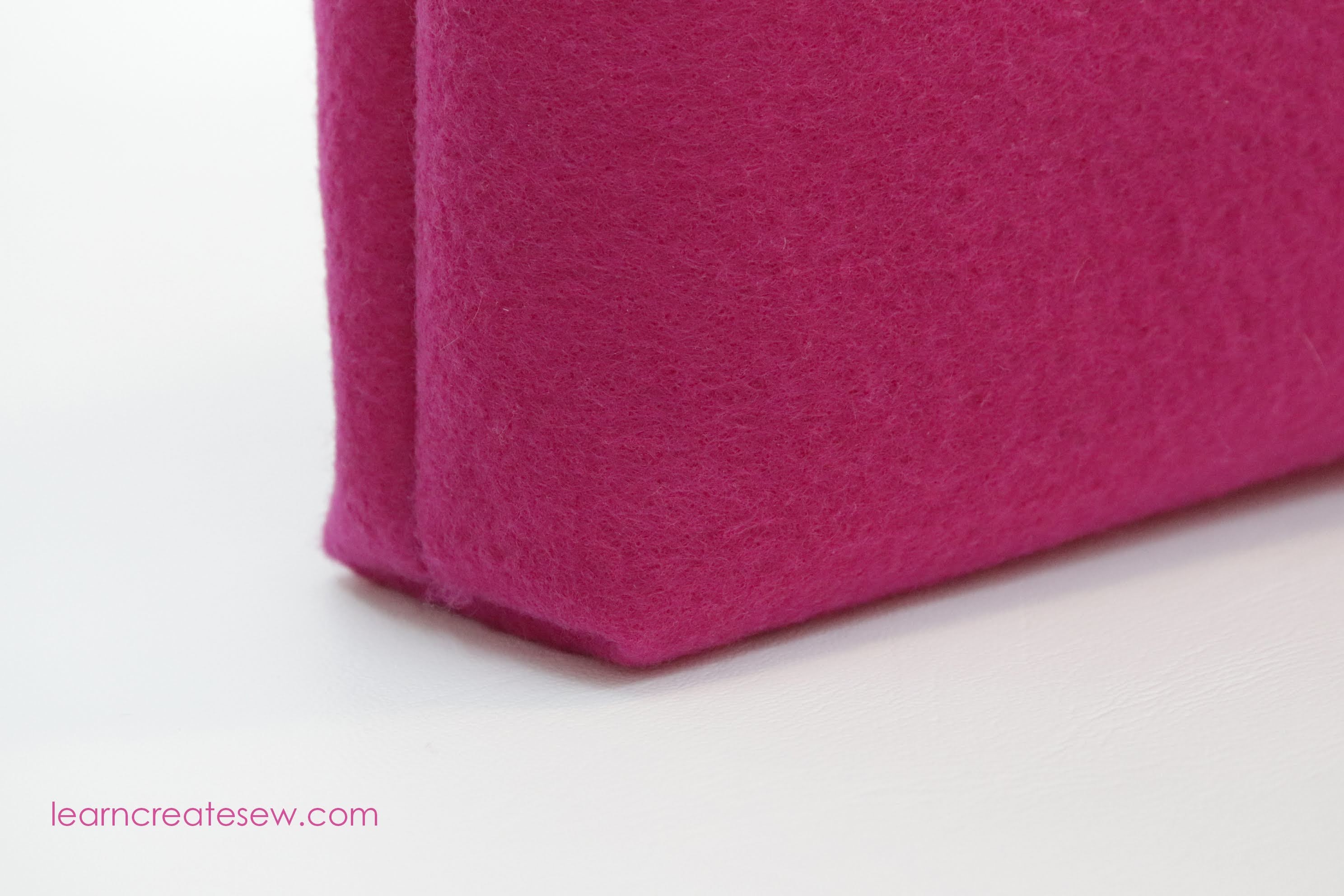
It also has boxed corners. Boxed corners can be a bit of a challenge, but it adds a lot of great features to your bag.

It provides space at the bottom of the bag so it is no longer flat.

In this case it also allows the bag to stand up. Once you learn how to add boxed corners it is a great feature to add to many different types of bags and cases.

Lesson: