Learn to Sew: Lesson 4: How to Thread a Machine

In this lesson we will be threading Brother sewing machines. This will be demonstrated on two different machines.

The first is a Brother Computerized Machine with a Horizontal Spool Pin. The second is a Brother Mechanical Machine with a Vertical Spool Pin. Brother machines are very similar, so chances are if you have a Brother machine it will be similar to one or both of these.

If you don’t have a Brother machine I encourage you to consult your manual or find videos specific to your machine. Knowing how to thread your machine properly and being comfortable doing so, will solve 90% of your problems when sewing.

Lesson Category:

  • Sewing Machine Basics

Lesson Topics:

  • Quality Thread
  • Threading a Bobbin
  • Threading the Machine
  • Threading the Needle
  • Using an Automatic Needle Threader
  • Inserting the Bobbin into the Machine

First thing to know when threading your machine is that the quality of thread matters! If poor thread is used in a sewing machine it breaks frequently. Not only is this annoying, but if you are just learning to sew it can make you want to give up altogether.
21-1

I mainly use Gutermann and Coats and Clark All Purpose threads.

You also want to make sure you have the correct bobbins for your specific machine. Unfortunately, bobbins were not all created equal and while some look similar, just a slight difference in size can be significant. Most of the Brother machines I have used take SA156 Bobbins.

17

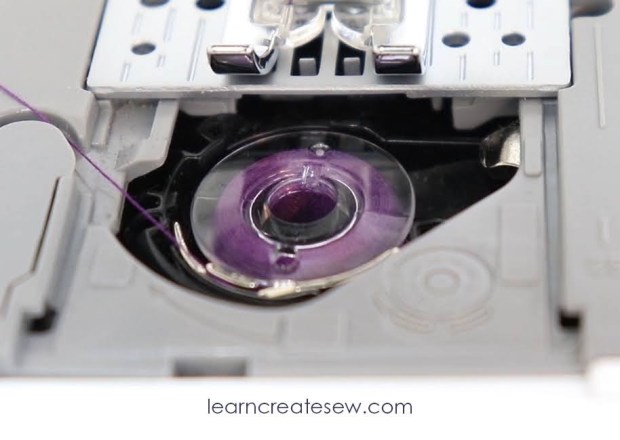
Since your sewing machine requires a bobbin in order to sew, we first learn how to thread the bobbin and then how to thread the machine.
3331

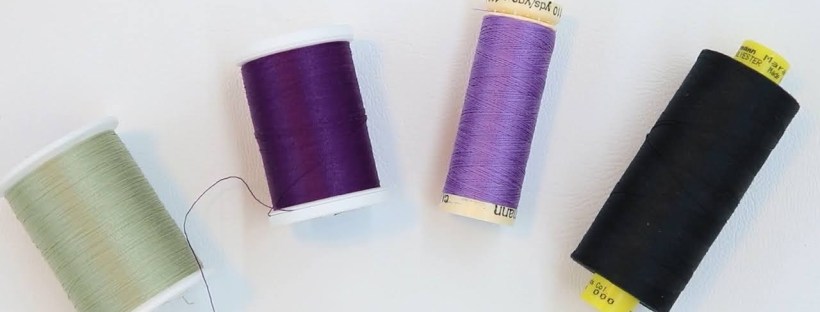
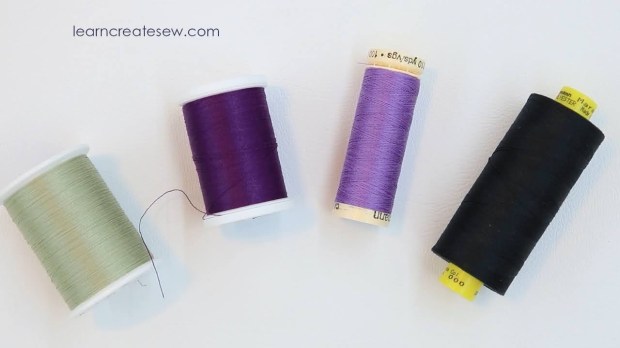
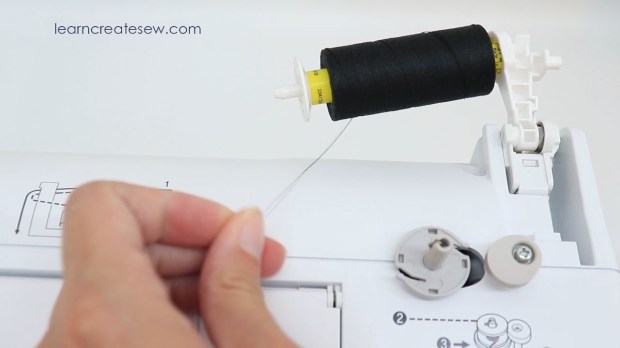
It’s helpful to identify if your machine has a vertical or horizontal spool pin. Thread spools that are wound with a crisscross pattern, such as the Gutermann threads shown in the picture shown at the beginning, work best on horizontal spool pins.
19-1

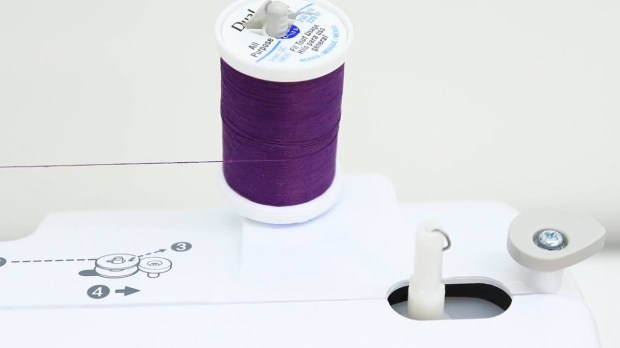
Threads that are would so that the thread is stacked, such as the Coats and Clark threads, work best on vertical spool pins.
555video

While I have used both styles of spools on both types of machines successfully, it is something to consider if your thread is giving you trouble.

I also occasionally have to use an adapter on my vertical spool pins in order to use the larger Gutermann spools (1093 yds). My adapter is very fancy…just kidding…it’s the body of a basic Paper Mate pen. I just take off the tip and the ink and use the hollow pen. I simply slide it over the spool pin and then slide the spool of thread over it. It’s definitely not the recommended method, but it has always worked great for me 🙂 It adds a bit of stability for taller spools. It’s also a whole lot cheaper than official spool pin adapters.

A note on a popular machine. The Brother CS6000i (and CS7000i) is wonderful model. It’s a computerized machine, but has a vertical spool pin. If you have this machine, threading the top of the machine and the bobbin will be most like my video on vertical spool pins, while inserting the bobbin casing will look like the one shown in my video with horizontal spool pins. You can just skip to the appropriate chapters in each video.

HOW TO THREAD BROTHER COMPUTERIZED MACHINES WITH A HORIZONTAL SPOOL PIN:

HOW TO THREAD BROTHER MECHANICAL MACHINES WITH A VERTICAL SPOOL PIN:
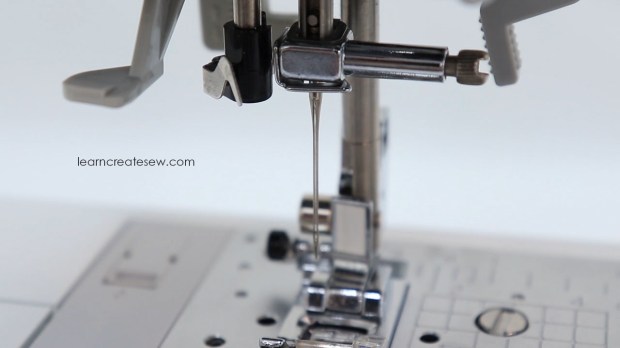
How to Change a Sewing Machine Needle

When I was younger and had been sewing for just a few years, my sewing machine started acting funny and I thought for sure it was broken. Turns out, that wasn’t the case at all. The problem was I had been using the same needle the whole time I had been using the machine. My goodness, I was lucky it lasted as long as it did!

31

Now that I have quite a bit more experience I realize how important your needle is, both the type of needle and its quality and condition.

When to change your needle?

There are many times and situations when changing your needle is a good idea. Here are a few examples.

  • Every 8 – 10 hours of sewing
  • Whenever your needle is bent or damaged
  • Whenever you need a specialty needle or specific size
    • Ball point / Stretch Needles (knits)
    • Denim Needles
    • Quilting Needles
    • Microtex Needles (vinyl)
    • Small Universal Sizes (8 -10) Lightweight fabrics
    • Medium Universal Sizes (11 – 14) Mid-weight fabrics
      • I usually use a size 12 when sewing cottons
    • Large Universal Sizes (16 – 18) Heavyweight fabrics
  • For every new project (or every few projects if they are small and/or lightweight)
  • After sewing heavy duty projects
  • When your machine is sewing with irregular stitches
  • When your machine has tension issues

Once you become familiar with how to change a needle it’s really quick and easy! And since you can usually find needles at very affordable prices it’s best to change your needle rather than use an old one, if you are in doubt.

I like to purchase needles frequently, so I always have them on hand. Here is my favorite place to buy needles for both regular point universal needles and ball point needles.

Video Instruction:


Learn to Sew: Lesson 3: Machine Stitching Practice

Using a sewing machine for the first time can be exciting, intimidating, and often frustrating.

With this lesson I hope to provide you with tips and instructions that will help you feel comfortable and confident as you begin to use your sewing machine.

Lesson Category:

  • Sewing Machine Basics

Lesson Topics:

  • Basic Machine Functions
    • A Brother Computerized Sewing Machine is used as the example
    • How to control the speed
    • Basic Stitches and Parts
  • Sewing Lines
  • Sewing Corners
  • Sewing Curves
  • Sewing with a Seam Allowance

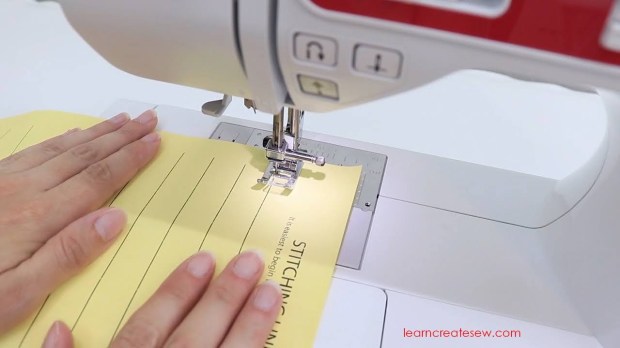
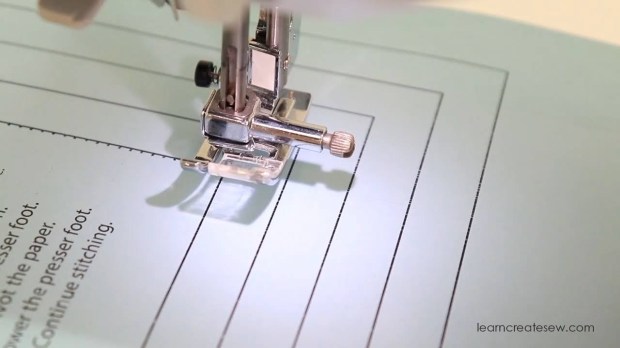
It may seem strange, but the best way to start using the machine is to practice sewing on paper.

21-3

This allows you to learn how to control your machine without having to deal with the complications that arise when using fabric and thread.

41

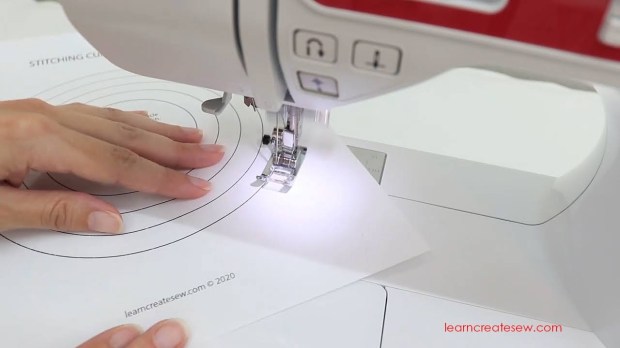
We’ll learn how to sew corners and curves. We’ll also learn how to use a seam allowance.

51

This lesson uses a Brother Computerized Sewing Machine for the example, but the principles can be applied to any machine. If you are using a different type of machine you may want to do some research or consult your manual to find your machine’s default needle position as well as how to use the seam allowance measurement guides so you can accurately read your needle plate.

6

Stitching Practice Sheets:

Stitching Lines Practice by learncreatesew

Stitching Corners Practice by learncreatesew

Stitching Curves Practice by learncreatesew

Seam Allowance Practice by learncreatesew

Here is a Seam Allowance Measurement Guide for Brother Computerized Machines:

Brother Computerized Seam Allowance Guide by learncreatesew

Brother Computerized Seam Allowance Guide by learncreatesew.pdf

LESSON:
2 Layer Face Mask with Filter Pocket

I am constantly trying the think of new ways to improve face masks. I am going to be wearing these every day to work like many of you and I hope to create masks that are both comfortable and functional.

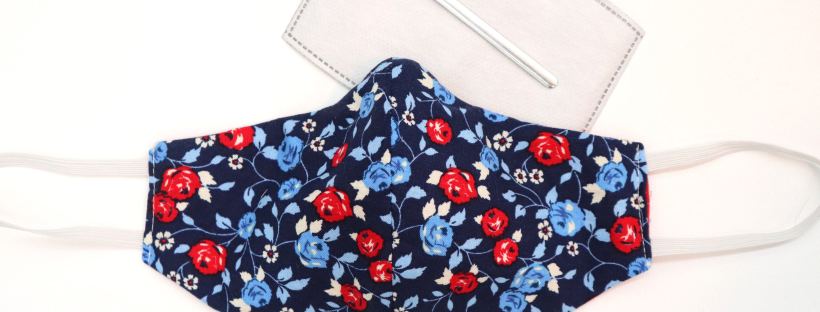
After making the 3 layer mask with a filter pocket I thought I would give this one a try. I was very pleased with the results.

3img_1925

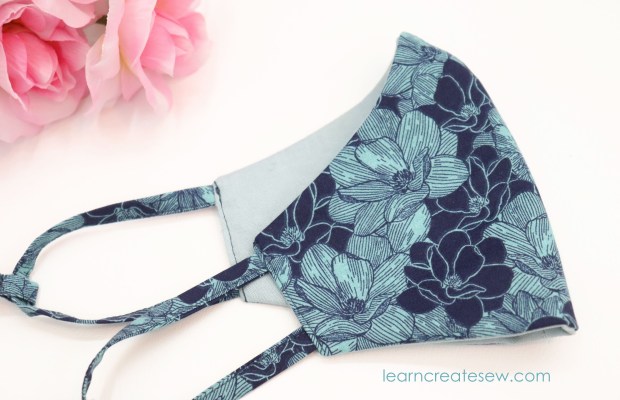
This mask uses my regular contoured face mask pattern, but cut at the pocket line, so it is a bit more narrow. This actually is nice because it’s not as hot since it doesn’t extend as far toward the ears.

1img_1931

The channel for the nose bridge wire is optional, but is simply a row of stitches attaching the lining to the exterior fabric.

1img_1952

I didn’t use any interfacing on mine, and I really like how lightweight it is, even with the filter.

1img_1947

I also tried strap adjusters with this mask. They are handy and are quite easy to use. I like that they are small and not bulky.

Supplies:
8 x 10 inches Main Cotton Fabric (Dimensions work for all sizes. You may need less fabric for smaller sizes)

8 x 10 inches Lining Cotton Fabric

Straps (I used 1/8 inch elastic)

Filter (Optional)

Nose Bridge Wire (Optional)

Strap Adjusters (Optional)

Free Pattern:

Contour Face Mask Pattern with Filter Pocket by learncreatesew

DETAILED INSTRUCTIONS:

FACE MASK KEY CHAIN CASE:

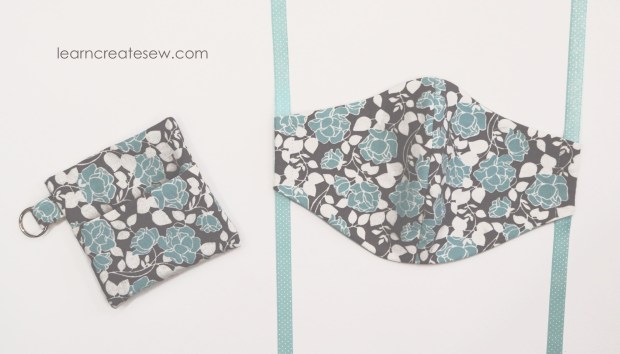
The face mask key chain case is always a fun project 🙂 It’s a little tight fitting the nose bridge wire, and you have to fold the filter, but I like to store my mask in the case when it’s not in use, without the filter and wire. I find it keeps my masks nice and organized.

Lace Overlay Face Mask

I just had to give this project a try, I couldn’t help myself. I normally do a lot of costuming, and when I had the idea to branch away from cotton fabrics for the mask I couldn’t resist!

This was a lot of fun to make 🙂 I don’t think it would be my everyday mask, but for special occasions or when I feel the need to be a bit fancy, this mask would be great.

1img_1398

This mask uses my contoured face mask pattern with adjustable ties. I used 1/8 inch ribbon.

1IMG_1371

This mask also has a satin lining. It’s a little bit trickier working with specialty fabrics, but I was really pleased with how it turned out!

Supplies:

These dimensions will work for all sizes. Actual size needed may be smaller if you make a smaller size. Make sure the fabric can be washed and pressed.

About 8 x 15 inches Main Cotton Fabric ( I used satin)

About 8 x 15 inches Lining Fabric (I used satin)

About 8 x 15 inches of Lace

About 8 x 15 inches Interfacing (Optional – I used Pellon SF101.)

Elastic, Ribbon, Bias Tape, or Fabric for Ties

Here is the free pattern:

Contoured Face Mask Pattern by learncreatesew

DETAILED INSTRUCTIONS:

Thanks for Watching!


Contour Face Mask with Nose Bridge Wire and Filter Pocket

If you are looking for a face mask that provides additional protection, then this may be the mask for you. Nose bridge wire allows for a more personalized fit, and a filter will make your mask more effective.

1img_1287

This mask uses the same basic pattern shape as my regular Contour Face Mask, but has additional features. The updated pattern, with pockets, is linked below.

1img_1261

Adding nose bridge wire will let less air escape from the top of the mask and will force more air through the filter. I have heard it also helps minimize the fog you get if you wear glasses.

1img_1291

I made a size Medium and my purchased filters that I found on Amazon fit quite nicely inside. The filters are 4.72 x 3.15 inches. Smaller sizes may need filters or filter fabric that can be trimmed.

1img_1303

Supplies:

These dimensions will work for all sizes. Actual size needed may be smaller if you make a smaller size.

About 8 x 15 inches Main Cotton Fabric

About 8 x 15 inches Lining Fabric (I used cotton)

About 8 x 13 inches of Pocket Fabric (I used cotton)

Elastic, Ribbon, or Fabric for Ties.

Nose Bridge Wire (Mine is 9mm wide.)

Filter or Filter Fabric

Here is the free pattern:

Contour Face Mask Pattern with Filter Pocket by learncreatesew

DETAILED INSTRUCTIONS

Contoured Face Masks

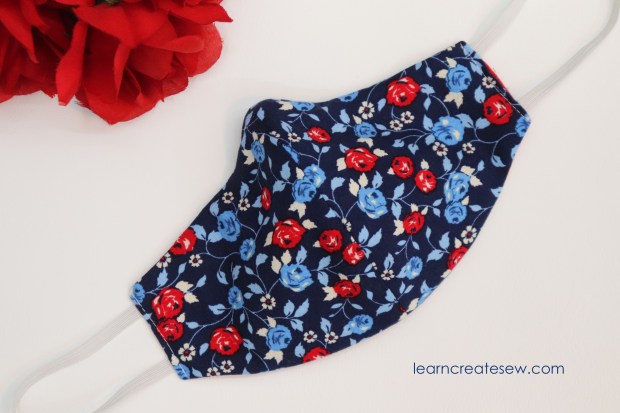
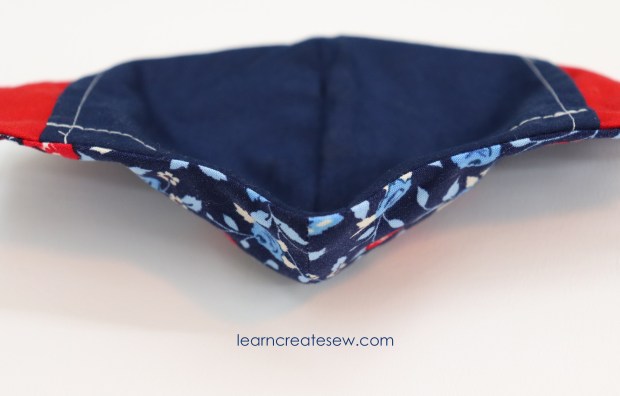
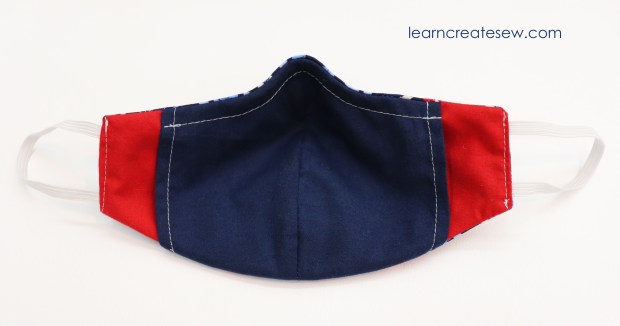
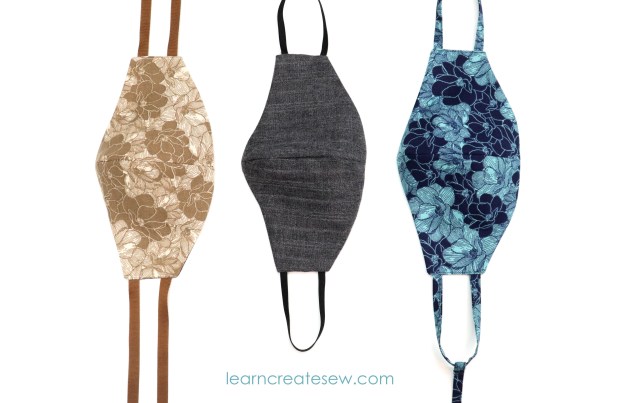
I really like the look of contoured face masks! Making a pattern has been on my to-do list for several weeks, and I am happy to share it with you today!

1img_1172

With many of the patterns I tried, I found that the mask would move around a lot when I spoke. This drove me crazy, and as I result this project sat at the bottom of my stack for a while. But this week I found new motivation and tested it out again.

1img_0969

Lo and behold I made a pattern that works! This mask has a great shape, but allows me to talk without worrying about having to adjust my mask every two seconds. Since you are supposed to touch your mask as little as possible, I think this is a big plus!

This pattern makes two different styles of mask. Masks with either fixed ties or masks with adjustable ties.

FIXED TIES & ELASTIC

I have to say,  I definitely prefer fixed ties. Maybe it’s because I have made so many masks that I know exactly what size works for me, and since the ties don’t move I feel like I always get a really good fit.

1img_1041sm

Even with fixed ties you still have plenty of options for the ties that work best for you. There is the single tie back mask, elastic, or the basic two tie option. Also, with fixed ties you use less elastic, so if you have a limit supply, that is something to consider.

1img_0896

ADJUSTABLE TIES & ELASTIC

While fixed ties are my favorite, there is no question that there are definite advantages to using adjustable ties. If you are planning to use elastic, and you want to donate the mask to a charity, friend, or relative, adjustable elastic is great as the wearer can adapt it to their preference and size.

1img_1170

You can also make a single fabric tie that is adjustable.

1img_1165

While this option looks great, I found this to be one of my least favorite options, as I had a hard time tying the mask to fit just right, but I know a lot of people prefer this design. 

You can also use two basic ties on the side to tie behind your head or ears. If you are planning to tie behind your ears, I would definitely choose a thin ribbon.

3img_1180-1

All of the masks fit in my key chain carrying cases, which I always love 🙂

MY FAVORITES

My overall winner for comfort and fit was the single tie back mask. I don’t know what it is, but it is just comfortable! I never have to worry if it is going to fit right.

1img_0933

For convenience you can’t beat either of the elastic masks. They are still really comfortable if you make the elastic the appropriate size, and so easy to use. There is nothing better if you need something that is a quick on and off. Plus you don’t have to worry about the long ties when storing or washing.


Supplies:

These dimensions will work for all sizes. Actual size needed may be smaller if you make a smaller size.

About 8 x 15 inches Main Cotton Fabric

About 8 x 15 inches Lining Fabric (I used cotton)

About 8 x 15 inches Interfacing (Optional – I used Pellon SF101 for some of the masks. The black and gray mask has no interfacing.)

Elastic, Ribbon, Bias Tape, or Fabric for Ties

Here is the free pattern:

Contoured Face Mask Pattern by learncreatesew

FIXED TIES – DETAILED INSTRUCTIONS:


ADJUSTABLE TIES – DETAILED INSTRUCTIONS:


FACE MASK CASE:


Hand Sanitizer / Lip Gloss Key Chain

I am so happy with this project!

1img_0729

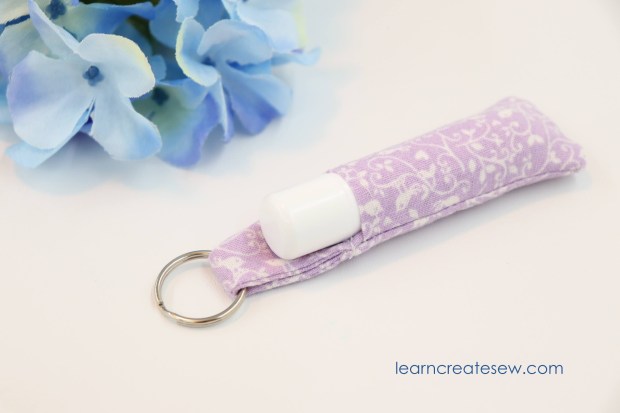
I have been wanting to make a lip gloss key chain for a while and finally had the chance to do so. I LOVE IT! They turned out just the right size 🙂 I was very pleased.

1img_0745-1

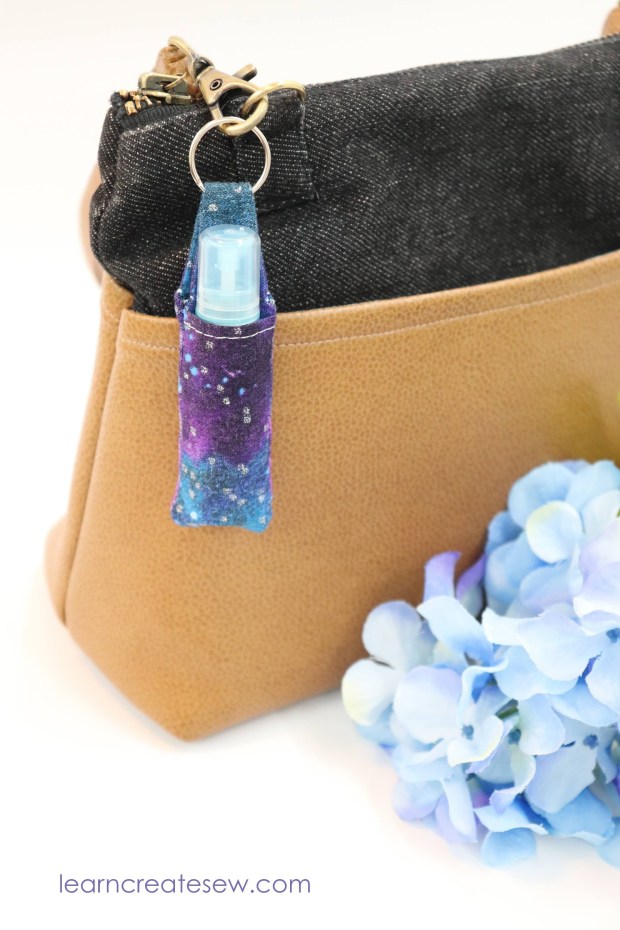
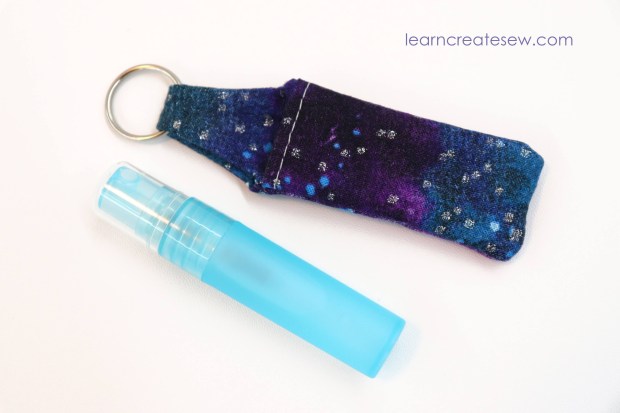
Once I had the lip gloss version done I was very happy to find a similar size spray bottle that works perfectly for liquid hand sanitizers! It would be awesome for perfume as well.

1img_0704

Once I had this key chain ready, I couldn’t resist making another size for larger hand sanitizer bottles. This works great for many 1 oz flip top bottles that usually hold gel hand sanitizers.

1img_0783

Since this project is so small, I used my purple thang a ton while sewing.

1img_0800

I used them for the first time today and I already love them. Perfect to add to your key ring or purse. These are also super cute as gifts! And since they don’t take much fabric, they are very affordable.

1img_0628

Supplies

1 key ring

2.5 inches of 1/4 inch elastic (for wide version)

6 x 10 inches of cotton fabric (or scrap fabric)

Here is the free pattern:

Lip Gloss Hand Sanitizer Key Chain Pattern by learncreatesew

DETAILED INSTRUCTIONS:

QUICK OVERVIEW (FLAT POCKET):

QUICK OVERVIEW (ELASTIC POCKET):

Dish Towel Apron

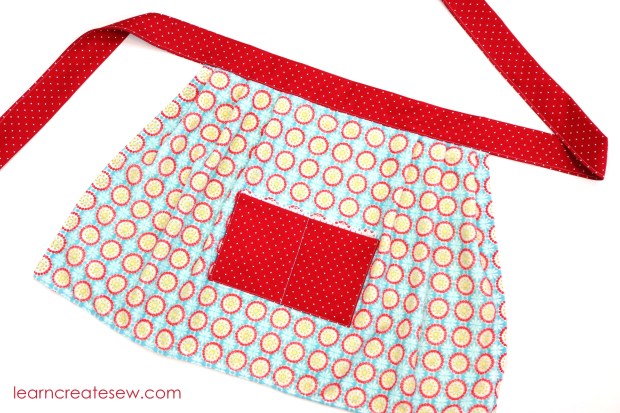
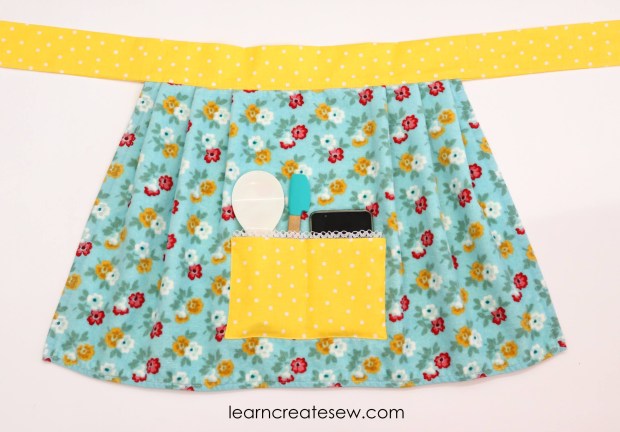
A special thank you to my Aunt for giving me the idea for today’s project! This is a cute little apron made from a dish towel. It’s pretty fast to make and doesn’t take a lot of fabric. It is a good way to practice sewing pleats and pockets.

1img_0479

It works best to have a dish towel with a general pattern design, rather than something that is directional, as the towel will be arranged horizontally along the waistband.

1img_0498

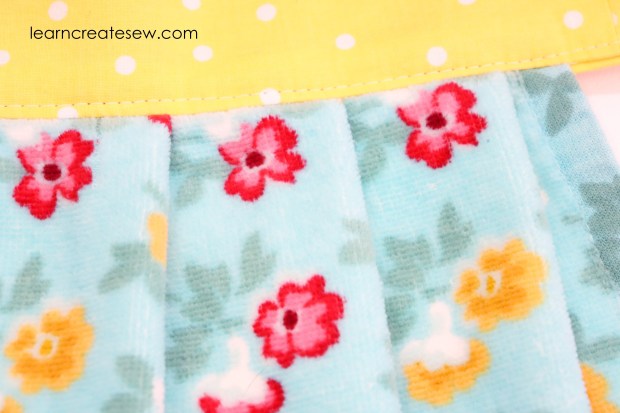
The width of the hand towel is adjusted using pleats to give the apron a skirt like feel.

1img_0493

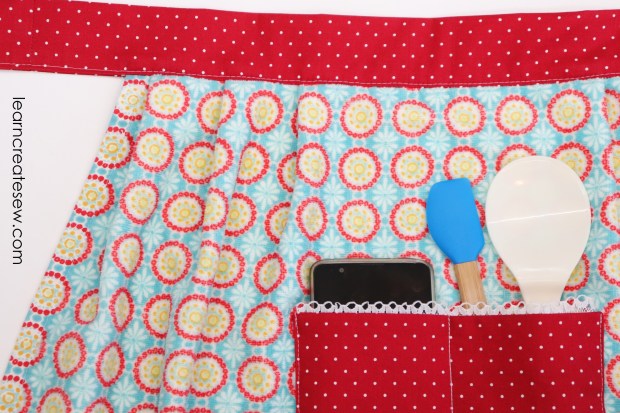
It also has a good sized pocket that fits a cell phone and more.

1img_0512

This project was a lot of fun to make! It’s also pretty simple compared to many aprons. The only difficulty really lies in working with the terry cloth itself. I would rank this project a 3/10 for difficulty.

Supplies

1/3 yard cotton fabric (Fabric may shrink in the wash. I like to purchase a few extra inches just in case.)

1 dish towel

1/4 yard lace trim (optional)

1/2 – 1 yard fusible interfacing (optional)

Coordinating Thread

Here is the cut layout if you need it.

Dish Towel Apron Cut Layouts by learncreatesew

DETAILED INSTRUCTIONS:

QUICK OVERVIEW:

Flat Zipper Pouch

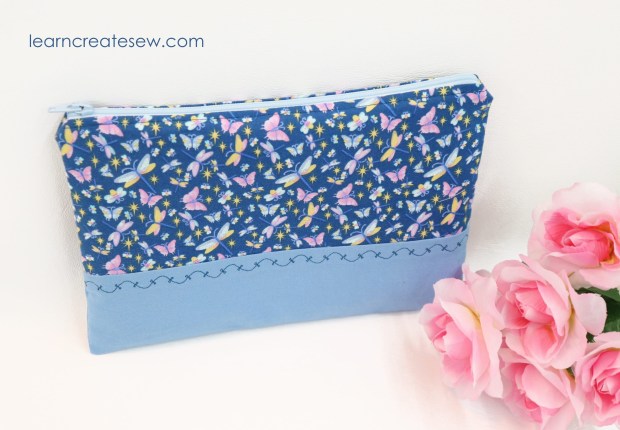
This is a classic zipper pouch! It is a great project to start sewing zippers if you want to learn. These make great pencil bags. They are also fun to fill and give as gifts.

1img_0415

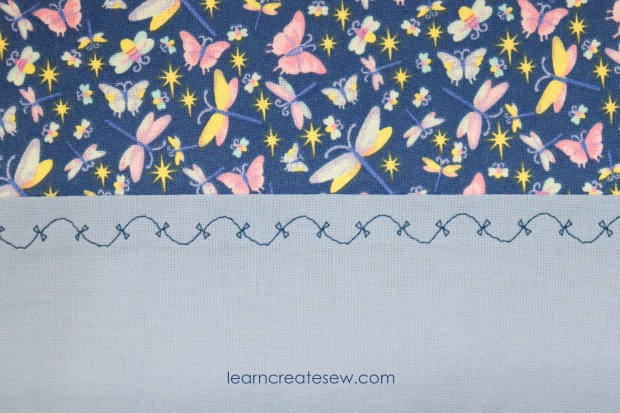
This is also a fun project to use decorative stitching on. I love adding a cute stitch to the contrasting bottom panel.

2img_0355

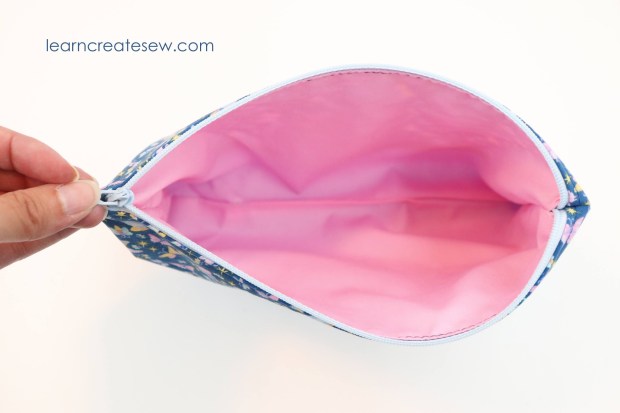
This is a flat pouch, kind of like a pencil pouch. So, it does not stand up on its own.

1img_0386

That said, it still holds quite a bit!

1img_0387

You can easily adjust the size of the rectangles to make the bag as bid or small as you would like.

The bag I made has final dimensions of approximately 6 x 9 inches.

Supplies

Two 7 x 10 inch rectangles for the lining fabric

Two 7 x 10 inch rectangles of lightweight fusible interfacing (optional)

Two 4.5 x 10 inch rectangles for the outside TOP fabric

Two 3.5 x 10 inch rectangles for the outside BOTTOM fabric

One 11 inch Zipper

Here is the free pattern if you would like it.

Flat Zipper Pouch Pattern by learncreatesew

DETAILED INSTRUCTIONS:

QUICK OVERVIEW: