Pleats

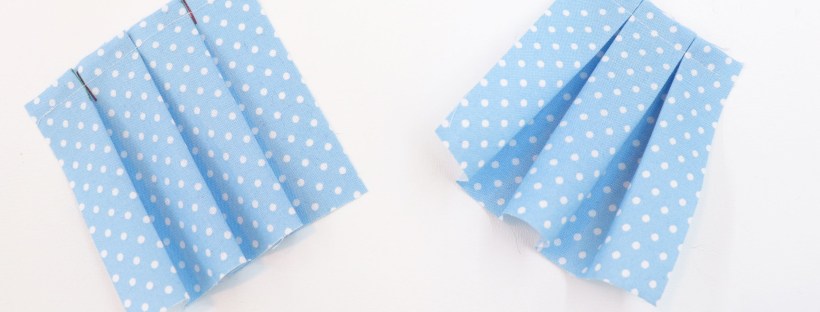
Pleats create fullness to your fabric and are a good alternative to gathering. Instead of scrunching up the fabric along the stitch line, you simply create folds.

Pleats can be a lot easier than gathering. They are quick and lie really flat. However, you do have to make sure they are consistently sized and placed, and that can be the tricky part. Often times patterns will have pleat placement guides which indicate the size and position of the pleats! This is really nice and takes out the guess work of pleating. So, as we practice how to make pleats we will use placement guides.

Free Pleating Guide Samples:

If you don’t want to make the pleats by hand you can use a Ruffler foot on your machine. They can be a bit tricky to use at first, but are a great option if you are planning to pleat anything that is really long such as the edging of a pillow, etc.

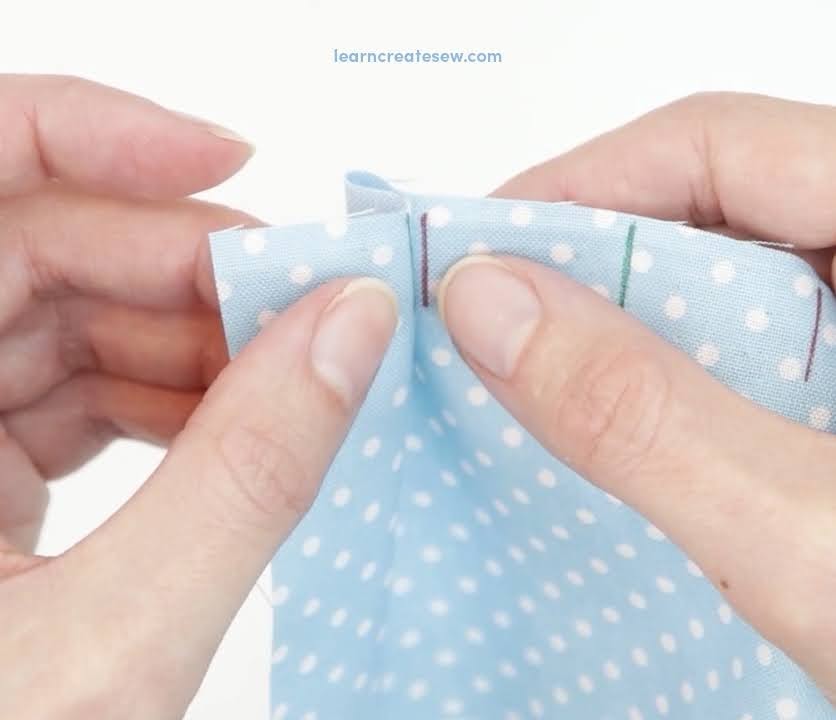
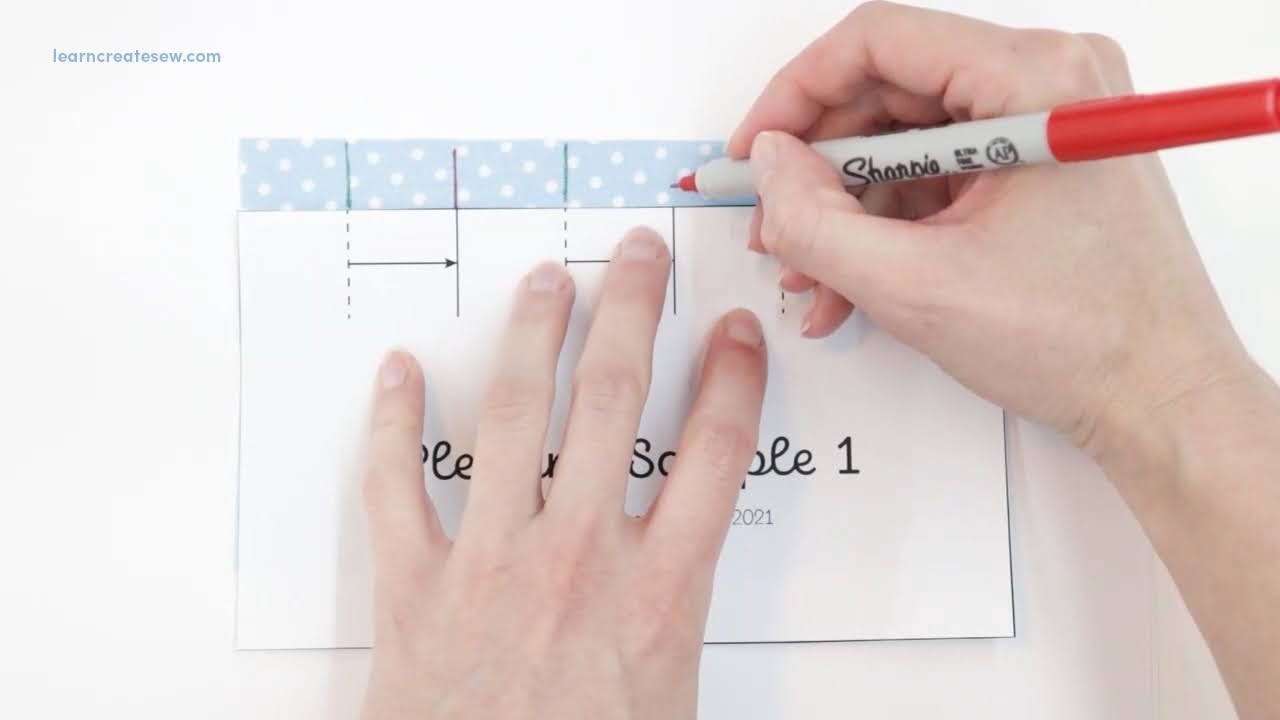
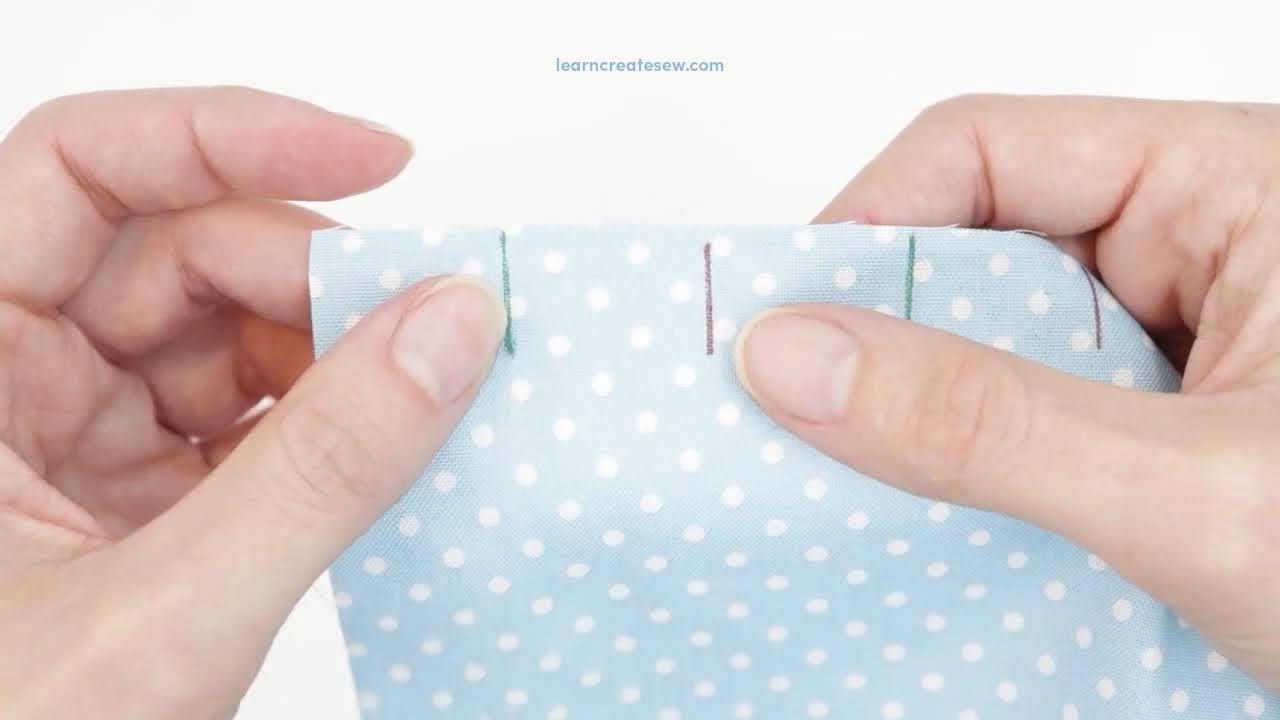
To create pleats you need two guide-marks, where the pleat starts and where it stops. In the first sample I marked this guidelines with sharpie to make them super obvious (NOT what I would do on an actual project!), but you could do something similar with fabric markers or chalk, something that will wash away.
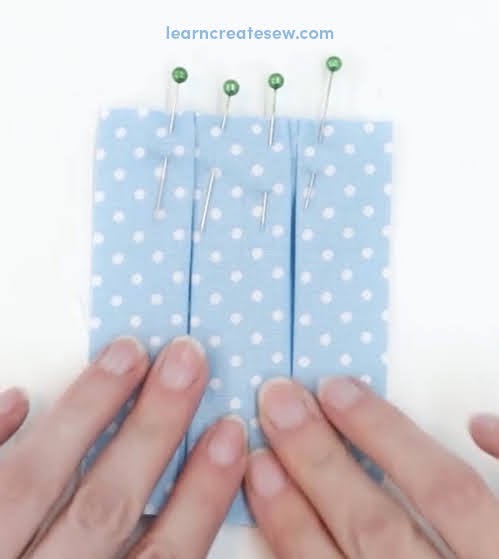
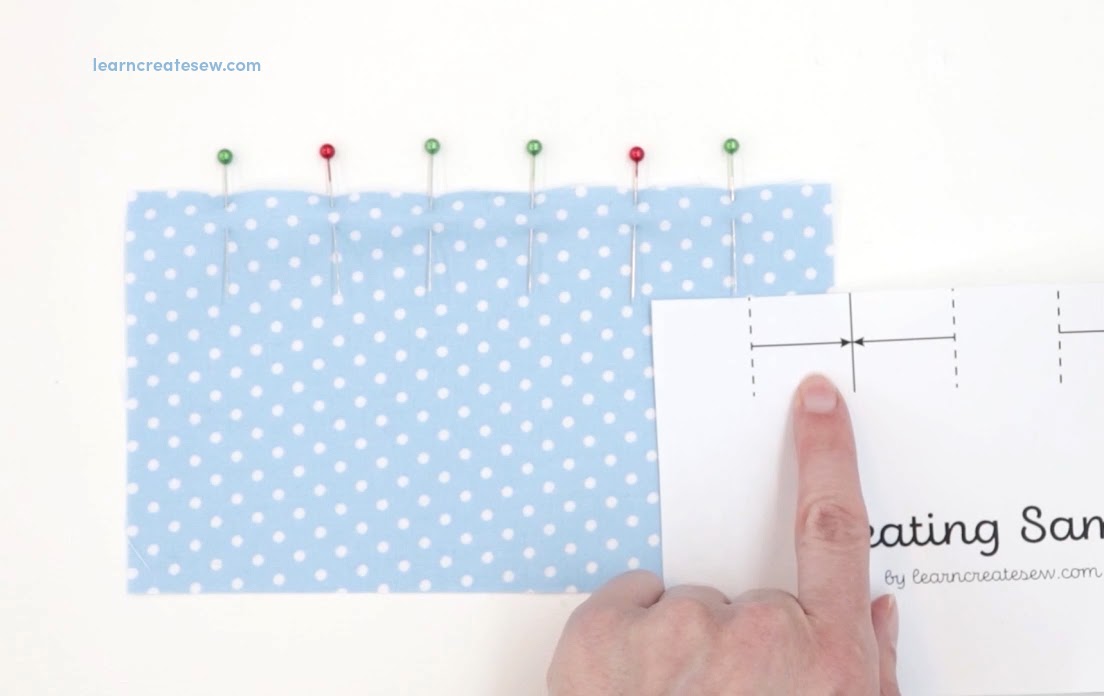
You can also use pins of different colors as guide-marks. In the second sample, I used green pins to represent the start of the pleat and red pins to indicate the stopping point.
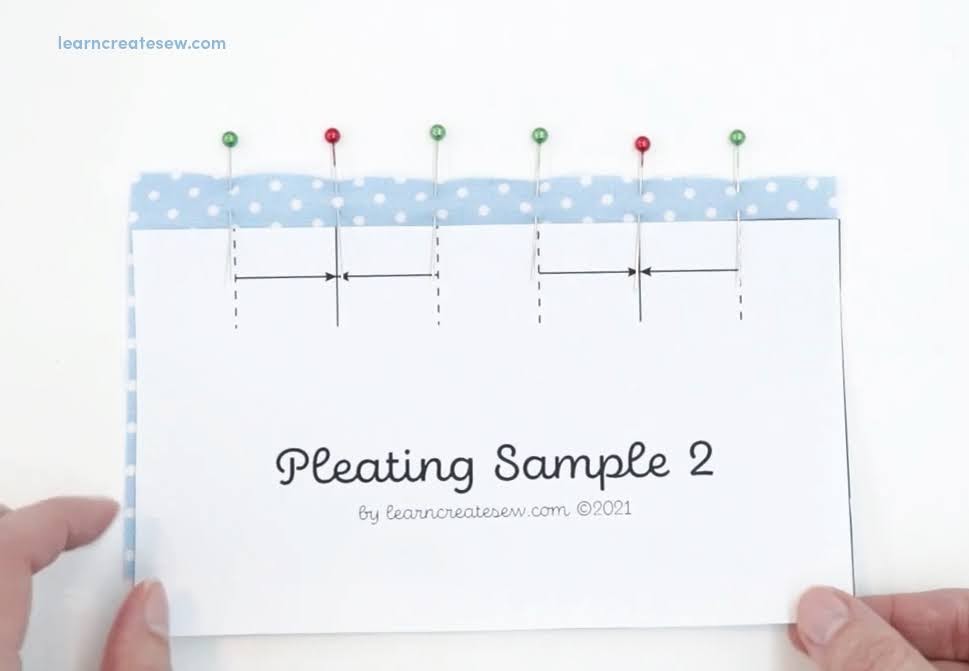
When you pleat, you fold the fabric at the starting point and bring it over to meet the stopping point mark, hiding the fabric between the two marks and following the direction of the arrow.

There are many many ways pleats can be arranged. Common placements include pleats all going the same direction, half going one way and half the other, or two pleats that meet at the same point going in opposite directions. Just be sure to look at your pattern or guide for the correct direction and placement.

Here’s what that process looks like with pins instead of marks.
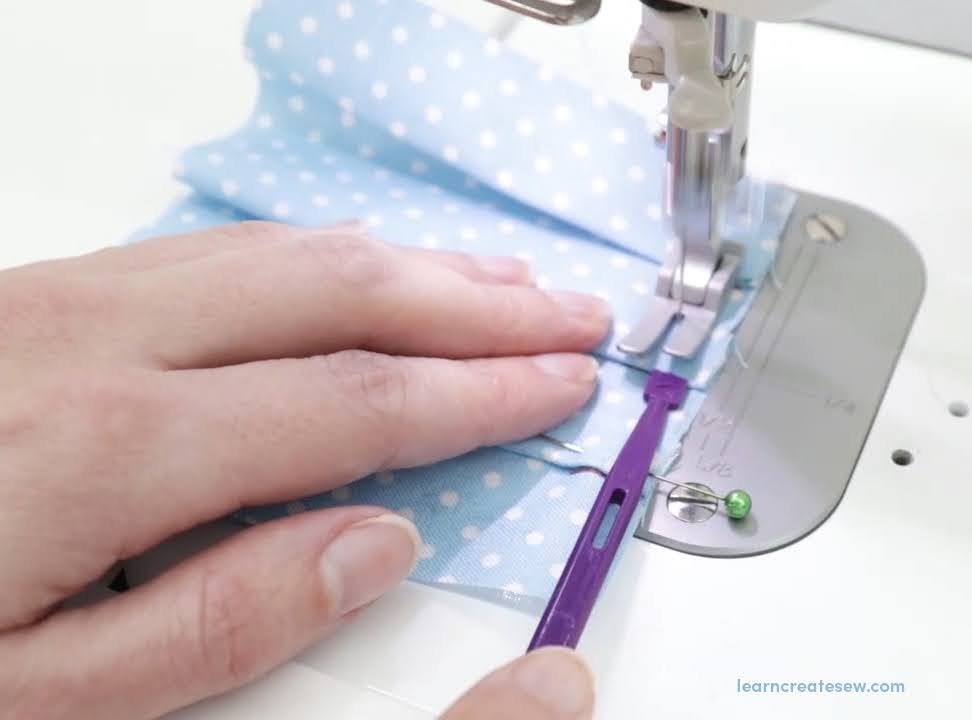
When sewing pleats in place it is important that they remain flat. As a result, I like to use a sewing tool to hold them in place while I sew. My favorite tool to use is That Purple Thang, but a sewing stiletto or the back edge of your seam ripper also works. Just remember to stay safe and keep your fingers clear of the needle, a sewing tool helps ensure that and protects your fingers.
When you are done sewing, pressing is really helpful! You can press just in the seam allowance, all the way to the bottom of the fabric, or somewhere in the middle depending on your preference or the directions in your pattern. If your fabric is really thick, or composed of multiple layers, it may also be helpful to press before sewing. Just be careful not to press your pins 🙂

In the end, pleats are a quick fun way to add detail and decoration to a project!

Free Pleating Guide Samples:

SKILL BUILDING VIDEO:

Happy Sewing!
Gathering

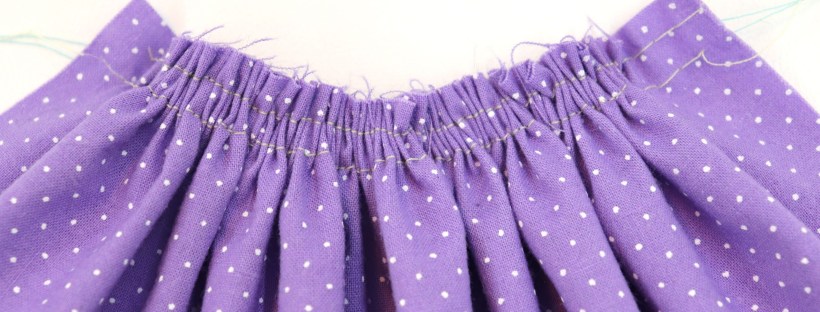
Gathering can be found in many sewing projects and is used in everything from basic crafts to garment construction.

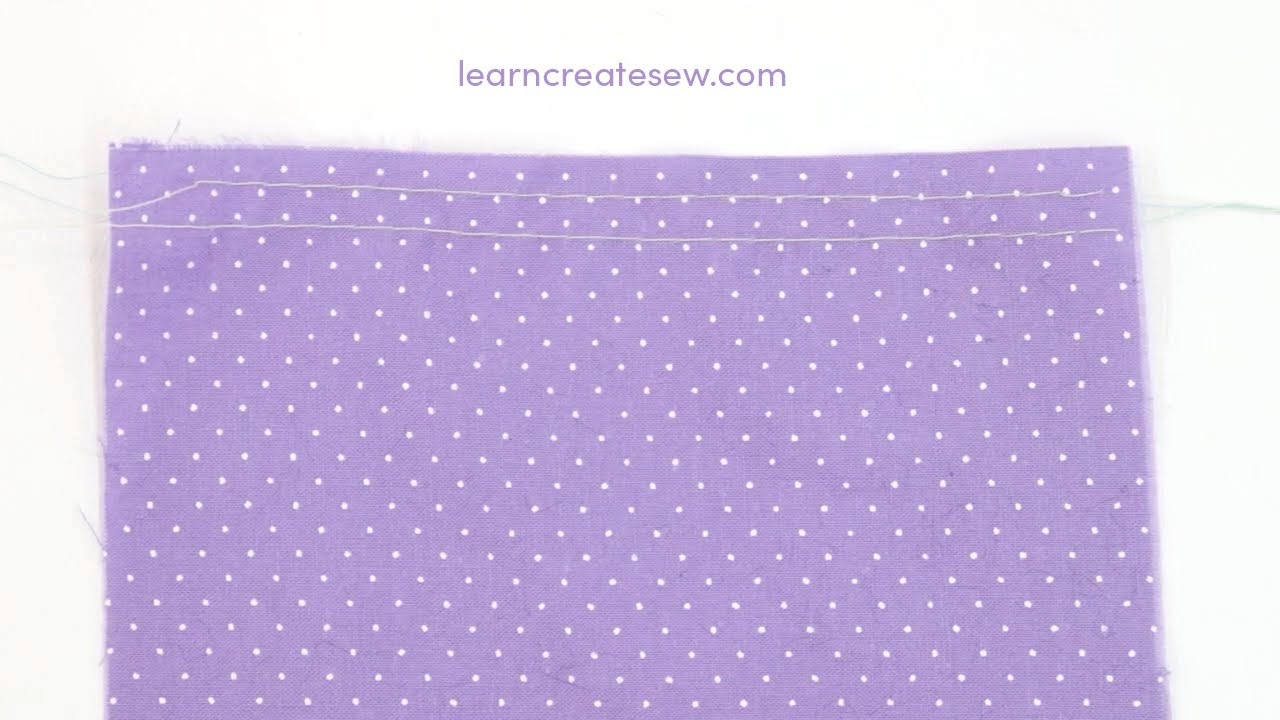
There are several different ways to gather, but my favorite way is using two rows of stitches.

TIP: USE TWO ROWS OF STITCHES

Creating your gathers with two rows of stitches provides a safety net, just in case the worst happens and a gathering thread breaks. It may save you from having to start all over again. The two rows also helps the fabric to lay flatter. This is a plus when you need to sew the gathered fabric to something else.

When sewing gathering stitches always use a long stitch length. The longest stitch length on your machine is usually best and can range anywhere from 4.0 – 7.0. I find 5.0 – 6.0 is usually my go to stitch length for gathering. The thicker your fabric, the longer the stitch length needed.

The two rows are stitched with a gap between them. I find it most successful when I use a 1/4 and 1/2 inch seam allowance for the gathering stitches. This leaves a wide 1/4 inch gap and provides a little bit of leeway for small errors in the seam allowances size. (If the rows of stitching get too close together it may stop the fabric from sliding along the threads.)

When you gather you do not backstitch (this would create a knot) and you leave the thread tails long.

TIP: SLIDE DON’T PULL

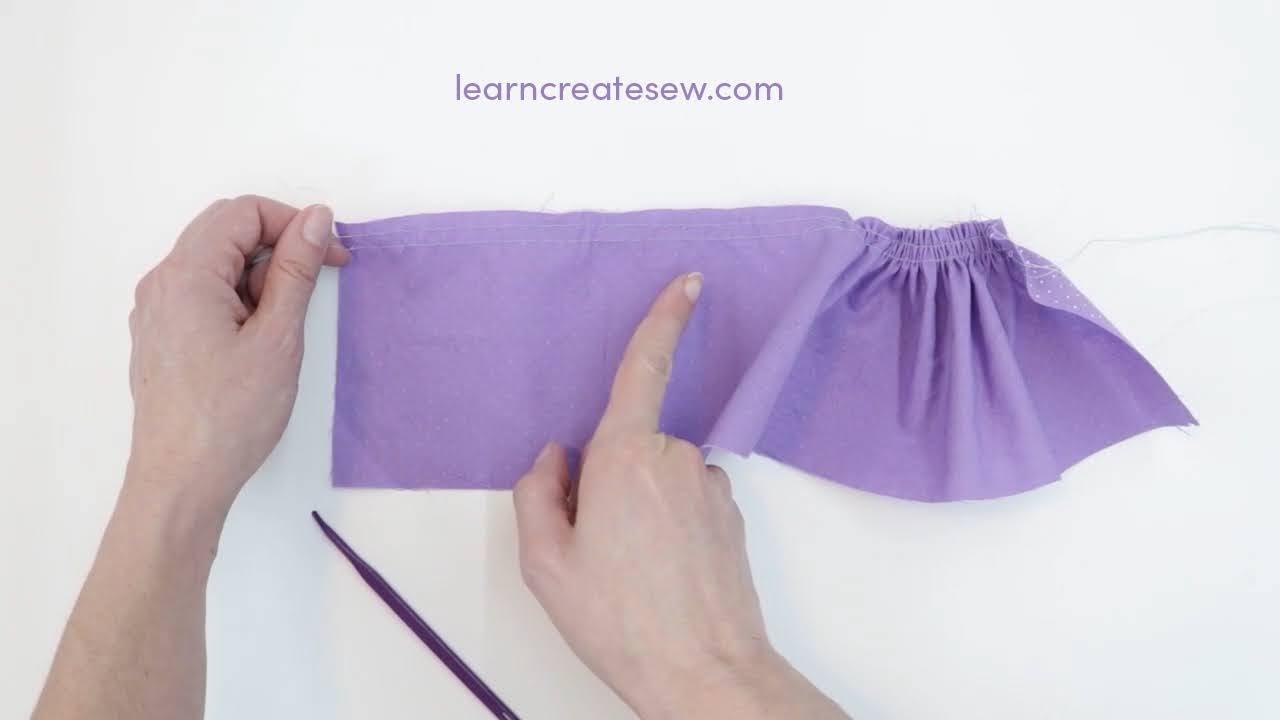
To create gathers we hold the two bobbin threads and slide the fabric. Our instinct when gathering is to pull the threads to create the gathers, and if that doesn’t work, we pull harder. Uh oh…then you hear it…snap! The thread breaks. This is a particularly dreadful noise when you are gathering, especially if it is something large. Having the two rows of stitching instead of one could save you, but not always.

So, instead don’t pull…slide. Simply hold the thread tails in place and slide the fabric along. See the video below for what to do when it won’t slide anymore! Pulling the threads isn’t the answer, as there is too much of a chance of that thread breaking. But if you remember….slide, slide, slide! It helps 🙂

TIP: USE TWO DIFFERENT COLORS OF THREAD

When you are just learning how to gather, identifying the correct threads to hold can be tricky. If you thread your bobbin and top thread with two different colors it makes it super easy to find the threads you are looking for! The bobbin threads become obvious and you won’t make the mistake of holding the wrong pair of threads. I used yellow thread for my main spool, and blue thread in the bobbin.

TIP: GATHER FROM BOTH SIDES

Sometimes when we are on a roll and gathering quickly we accidentally slide our fabric off of the threads entirely! At that point, there is nothing to do but begin again. To avoid this, gather half of the fabric from the left, and half from the right, so there is no danger of sliding the fabric too far.

See the video below for a detailed tutorial on basic gathers!

SKILL BUILDING VIDEO:

Happy Sewing!

Fun Sized Backpack Pattern Updated

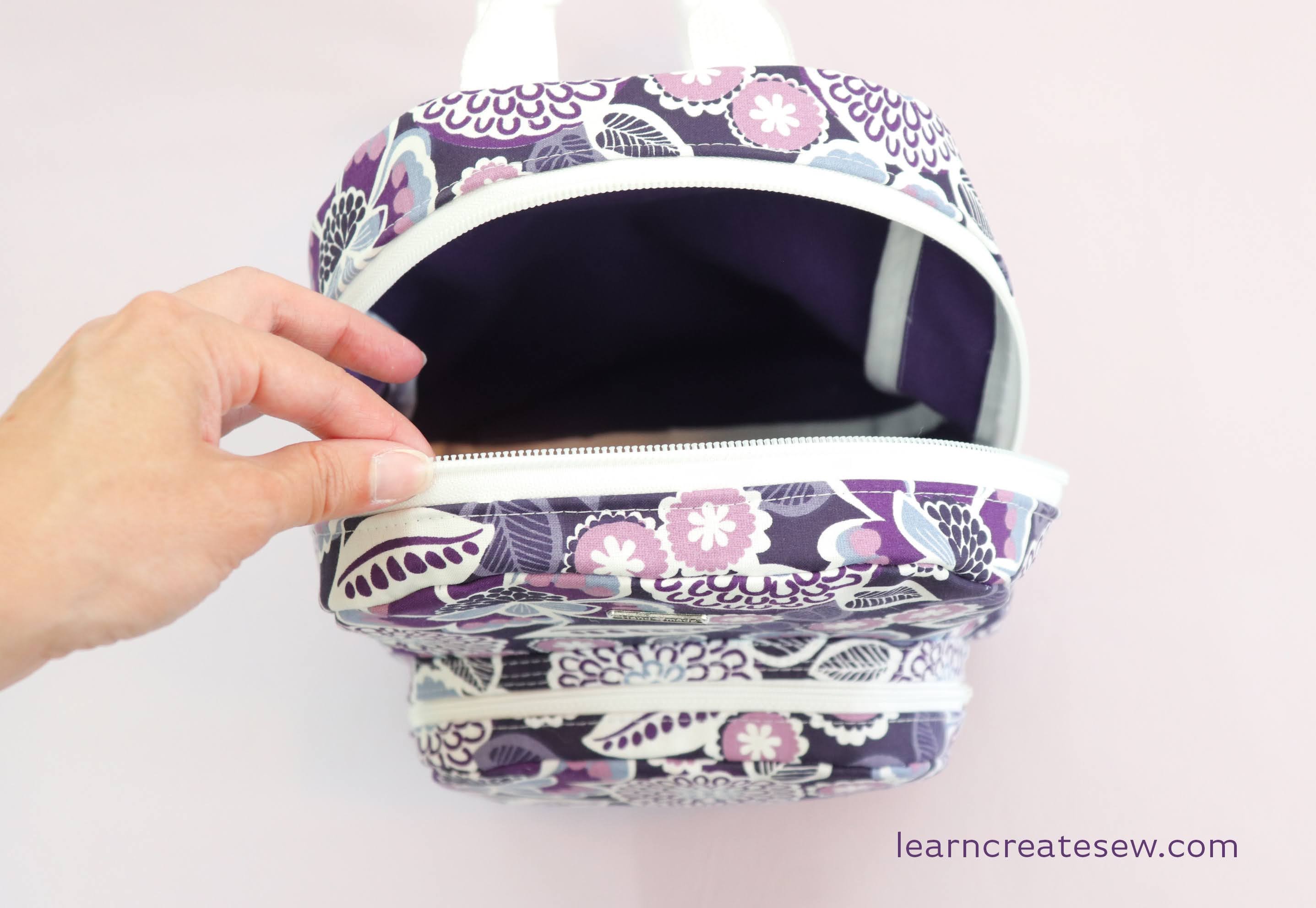
Hey Everyone! I just wanted to let you know that the Fun Sized Backpack Pattern has been updated!

There was an error on the Bottom Pocket Gusset piece. It should measure 12.75 inches in length. If you have downloaded the original pattern please make sure to take note of this change!

The pattern has now been updated and is linked below. I’m so sorry for the inconvenience! A special thanks to Shirley for pointing out the discrepancy in the pattern so it could be fixed! Thanks, Shirley!

Looking for a Valentine’s Day project! Check out my new llama plush posted earlier this week!